The short answer
Marley twists are a protective style made by two-strand twisting the hair with added Marley hair, a soft, matte, coily braiding hair that closely mimics natural Afro texture. The result is a full, natural-looking twist style, usually chunkier and quicker to install than the many small twists of some other styles. Marley twists take their name from the Marley hair itself, and they give a soft, textured, everyday look that protects the natural hair underneath and can be worn in many lengths and thicknesses. They usually last a few weeks with good care. In the UK Marley hair is sold by Afro hair and beauty shops, and stylists install the style.
What to remember
- Marley hair is sold by Afro hair and beauty shops, and stylists install the style.
- They protect the natural hair underneath and can be worn in many lengths.
- They are usually chunkier and quicker to install than many small twists.
- The Marley hair mimics natural Afro texture for a soft, natural-looking result.
- Marley twists are two-strand twists made with soft, matte, coily Marley hair.
For many Black women and girls in Britain, Marley twists are part of the rhythm of protective styling, the soft, natural twist style that looks like your own hair but is fuller and longer, and the weeks of easy mornings and the break that lets the hair rest. They carry the shared knowledge of natural hair care, passed between mothers, sisters and friends, and the pleasure of a style that celebrates texture rather than hides it, matte and soft and full.
There is heritage in them too, in the two-strand twist and in the Marley hair named for a culture that wore its natural texture with pride. Choosing Marley twists is part of a wider story of caring for Afro-textured hair on its own terms and celebrating its natural look. That blend of everyday practicality, gentle protection and connection to a proud natural-hair tradition is what makes Marley twists more than just a style.
What is Marley Twists?
Marley twists are a much-loved protective style built on the two-strand twist and a particular kind of hair. To make them, sections of natural hair are twisted together with added Marley hair, and it is this hair that defines the style.
Marley hair is a soft, matte, coily or kinky-textured braiding hair, made to look and feel like natural Afro-textured hair, so the finished twists blend softly with your own hair and have a natural, textured, matte appearance rather than a sleek or shiny one. You can read about the underlying method in our guide to the two strand twist.
The style takes its name directly from the Marley hair used, and its appeal lies in that natural look and its versatility. Marley twists can be worn short or long, chunky or medium, left down or styled up, and their soft texture gives a full, organic result. They are typically a little chunkier and therefore quicker to install than very fine twists, while still offering weeks of protection for the hair underneath. They sit within the family of natural, protective twist styles alongside guides like kinky twists and passion twists.
About the Marley Hair
The heart of Marley twists is the Marley hair, and understanding it explains the style. Marley hair is a synthetic braiding hair designed to imitate natural Afro-textured hair, with a soft, matte finish and a coily, springy texture, quite different from the smooth, straight hair used in sleeker styles.
It is named after the locs-and-natural-hair aesthetic associated with reggae culture, and it is chosen precisely because it looks and behaves like real kinky hair, giving the twists their natural, textured character and their ability to blend with your own hair.
This hair also shapes how the twists feel and wear. Marley hair is generally lightweight and soft, which helps the style feel comfortable, and its texture grips well in a twist so the twists hold without needing tight tension.
Choosing good-quality Marley hair in a texture and colour close to your own gives the most natural result. Marley hair is closely related to the hair used for other natural-look styles, and it is sometimes compared with Havana hair, which is similar but often thicker and lighter, used for a chunkier version of the same idea.
Marley Twists- versus Other Twists
It helps to place Marley twists among similar styles. Compared with kinky twists, which also use textured hair, Marley twists are often chunkier and use the specific soft, matte Marley hair, giving a slightly different, fuller texture, though the two are close relatives and the names are sometimes used loosely. Compared with the fully spring-textured passion twists, which use wet-and-wavy hair for a shinier, more defined coil, Marley twists have a more matte, natural, cottony finish.
Against box braids, the difference is the same as for other twists: Marley twists are twisted rather than plaited, use soft, textured hair for a natural look, and are generally quicker and gentler, though they may not last quite as long as tight braids. The main choice, then, is about the look and feel you want: Marley twists for a soft, matte, natural, often chunky result. Many people try several of these styles over time to find the texture and size they love best, and a good stylist can advise which suits your hair.
How to Care for Marley Twists
Marley twists are low effort once in, but a little care keeps them looking good and protects the hair underneath. The scalp still needs to be kept clean and moisturised, so gently cleansing the scalp and using a light oil or moisturising spray prevents dryness and itching. Because twists can frizz or loosen over time, being gentle with them, avoiding too much pulling, and retwisting any that come loose helps them last. At night, wrapping the twists in a satin or silk scarf, or sleeping on a satin pillowcase, greatly reduces frizz and keeps them neat.
As with any protective style, it is wise not to leave Marley twists in too long, since leaving them for many weeks can cause matting where the twist meets new growth and add stress to the hair. Taking them down gently and patiently, with plenty of moisture, protects the hair from breakage, and giving the hair a little care and rest between styles keeps it healthy. Understanding your hair's needs, as we cover in our guide to 4c hair, helps you care for it well while the twists are in and after they come out.
Where can I get Marley Twists in UK?
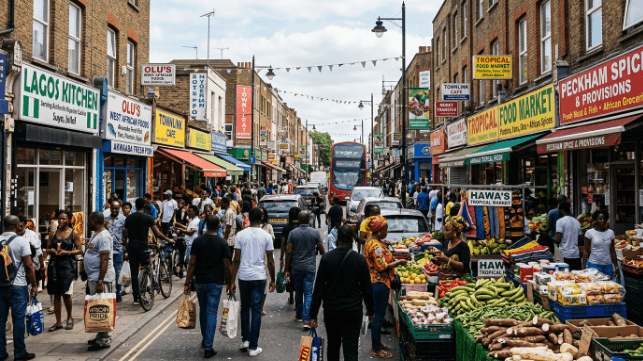
Marley twists can be installed yourself or by a professional, and both are common in Britain. The Marley hair is sold by Afro hair and beauty shops that serve Black communities, which stock it in many colours and lengths, and the staff can help you pick a texture and shade close to your own hair and tell you roughly how many packs you will need. If you would rather have them done, braiders and natural hair stylists offer Marley twists in salons and from home, especially in cities with large African and Caribbean communities.
If you are new to Marley twists, an Afro hair and beauty shop near you will have the Marley hair and the moisturising products to care for the style, and to have them installed, you can find African hair salons near you to book someone who does twists. Whether you install them yourself or book a stylist, choosing good Marley hair and caring for the twists gives a soft, natural, protective style that lasts.
Frequently asked questions
What are Marley twists?
Marley twists are a protective style made by two-strand twisting the hair with added Marley hair, a soft, matte, coily braiding hair that mimics natural Afro texture. The result is a full, natural-looking twist style, usually chunkier and quicker to install than many small twists, that protects the natural hair and can be worn in many lengths.
What is Marley hair?
Marley hair is a synthetic braiding hair designed to imitate natural Afro-textured hair, with a soft, matte finish and a coily, springy texture, quite different from smooth, straight braiding hair. It is chosen because it looks and behaves like real kinky hair, giving Marley twists their natural, textured character and helping them blend with your own hair.
What is the difference between Marley twists and passion twists?
Marley twists use soft, matte Marley hair for a natural, cottony, often chunky finish, while passion twists use wet-and-wavy hair that gives a shinier, more defined, springy coil. Both are two-strand twist styles with added textured hair, but they have different textures and looks, Marley being more matte and passion twists more glossy and defined.
How long do Marley twists last?
With good care, Marley twists usually last a few weeks. Being gentle with them, wrapping them at night and retwisting any that loosen helps them last, and it is best not to leave them in too long, as leaving them for many weeks can cause matting where the twist meets new growth and stress the hair.
Where can I get Marley twists in the UK?
The Marley hair is sold by Afro hair and beauty shops serving Black communities, in many colours and lengths, and the staff can help you pick a texture and shade and estimate how many packs you need. To have the style installed, braiders and natural hair stylists offer Marley twists in salons and from home, especially in cities with large African and Caribbean communities.