The short answer
4C hair is the tightest curl pattern in the type 4 group of the hair typing system, made up of very small, densely packed coils with little defined curl clumping. It is naturally dry because the tight coils make it hard for scalp oils to travel down the strand, so it needs steady moisture, gentle handling and low manipulation to stay healthy. A simple routine of gentle cleansing, deep conditioning, sealing in moisture with the LOC or LCO method, protective styling and sleeping on satin keeps it strong. It shrinks a lot when dry, which is a sign of health and elasticity, not a lack of length.
What to remember
- 4C hair is the most tightly coiled type 4 hair, and every head of it is a little different, so learn what your own coils like.
- Moisture is everything: cleanse gently, deep condition often and seal water in with the LOC or LCO method.
- Handle with care, detangle only when wet and slippery with conditioner, and work in small sections from the ends up.
- Shrinkage is normal and healthy, so measure length when stretched rather than chasing a look your hair is not meant to have.
- Protective styles and a satin scarf or bonnet at night do a lot of quiet work to keep breakage down.
There is a particular pride in 4C hair, and it has been hard won. For a long time the tightest coils were the ones told to shrink themselves, to be pressed flat, tucked away or covered up to fit a standard that was never made with them in mind. So the natural hair movement, the choice to wear your coils as they grow, has always been about more than styling. It is about looking at hair that carries the memory of a whole continent and its diaspora, and deciding it is beautiful exactly as it is.
Across West Africa and beyond, coily hair has long been something people gather to tend, plaiting and threading and shaping it together, passing skill and patience from one pair of hands to the next. That inheritance lives on in every kitchen-table detangling session and every salon chair. When someone wears a full afro, a crown of twists or a fresh set of cornrows, they are wearing culture and continuity, not just a look.
To care for 4C hair well is to take part in that. Learning your own coils, keeping them moisturised and strong, choosing styles that let them thrive, all of it is a quiet act of belonging and pride. Your hair does not need to be tamed to be lovely. It already is.
What 4c hair actually is
The hair typing system sorts hair into four groups, from straight type 1 to coily type 4, with letters a, b and c marking how tight the pattern is within each group. Type 4 is coily hair, and 4C sits at the tightest end of it. Where 4A shows a clear S-shaped coil and 4B bends in sharp Z angles, 4C packs very small, springy coils so closely together that the pattern often does not clump or show itself on its own. Many people with 4C hair only see their true coil shape on a single strand or when a style sets it.
It helps to hold the system loosely. It was never meant to be a rulebook, and plenty of heads carry two or three patterns at once, looser at the front, tighter at the crown. The letter matters less than knowing what your own hair does when it is wet, when it dries and when you touch it.
Characteristics that shape your routine
Four things define 4C hair, and each one points to how you care for it.
The coils are tight, which means the natural oils from your scalp struggle to travel down the strand the way they do on straighter hair. That is why 4C hair reads as dry: it is not that it makes less oil, it is that the oil cannot get where it needs to go. You make up the difference with water and product.
It shrinks, and it shrinks a lot. Hair that hangs to your shoulders wet can spring up to a couple of inches when it dries. Shrinkage catches people out, but it is a good sign. It shows your coils are springy and full of elasticity. Length is still there, it is just coiled up.
It can be fragile. Every bend in a coil is a point where the strand is a little more likely to snap, and 4C hair has more bends than any other type. This is not weakness so much as a reason to be gentle. Rough combing, tight styles and dryness are what cause breakage, not the hair itself.
And it is often dense. Many people with 4C hair have a great many strands packed together, which gives that wonderful full, cloud-like volume. Density is a gift, but it also means products and water need time and attention to reach every part.
Realistic care routine
You do not need a shelf of twenty products. You need a few good ones and a bit of rhythm.
Start with gentle cleansing. Harsh, heavily foaming shampoos strip 4C hair and leave it squeaky and brittle. Reach for a sulphate-free shampoo or a cleansing conditioner and focus it on the scalp, letting the run-off clean the lengths. Once a week or once a fortnight is plenty for most people.
Then deep condition, and treat this as the heart of your routine rather than an extra. A rich deep conditioner, left on for fifteen to thirty minutes, ideally with the warmth of a shower cap or a warm towel, is where 4C hair drinks in the moisture it cannot get on its own. Do this every wash if you can.
Seal that moisture in with the LOC or LCO method. The letters stand for Liquid, Oil and Cream, and the order is the whole point. LOC means you start on damp hair with a water-based leave-in (the Liquid), add an Oil to slow water loss, then a Cream or butter to lock everything down. LCO swaps the last two, cream before oil, which some find better for finer or lower-porosity hair. Try both and keep the one that leaves your hair soft the next day rather than greasy or crunchy.
Keep manipulation low. 4C hair does best when you are not constantly combing, restyling and fussing with it. Pick styles that last several days to a week, and leave them be.
Lean on protective styling. Braids, twists, buns and updos that tuck your ends away shield the most fragile part of your hair from rubbing on collars and pillows. Just keep them loose enough to never pull at your edges.
Protect it at night. This is the small habit that makes the biggest difference. A satin or silk scarf, bonnet or pillowcase stops cotton from drawing out moisture and roughing up your coils while you sleep.
And detangle with care. Only ever detangle 4C hair when it is wet and coated in conditioner so it is slippery. Work in small sections, use your fingers first, then a wide-tooth comb if you need one, and always start at the ends and move up towards the roots. Never drag a comb from root to tip.
Common mistakes to avoid
Most 4C hair troubles come down to a handful of habits.
Letting it dry out is the big one. Dry 4C hair snaps, so refresh it with a little water and leave-in between wash days rather than waiting for the next wash.
Detangling dry, or from the roots down, tears the coils. Wet, slippery and from the ends up, every time.
Styling too tight, whether that is braids that sting as they go in or a bun that pulls your edges, causes tension and thinning over the years. If it hurts, it is too tight.
Heat without protection weakens the coil pattern, sometimes for good. If you straighten, keep it occasional and always use a heat protectant.
Over-washing with stripping shampoo undoes all your moisture work. Cleanse gently and less often.
And chasing someone else's curls is a quiet mistake. Your 4C hair will never look like a looser pattern, and it is not meant to. Working with it is far kinder than fighting it.
Styling options to enjoy
The best thing about 4C hair is how much it can do.
Twist-outs and braid-outs are the classics. You twist or braid damp, conditioned hair into sections, let it dry fully, then unravel for soft, stretched definition and lovely volume. The looser your sections, the bigger the result.
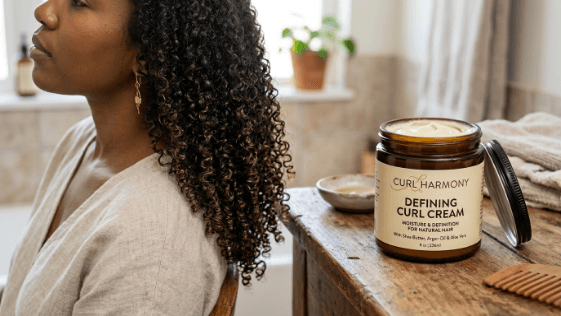
A wash and go works with your natural coils rather than setting them. On 4C hair it takes a good gel or curl cream and patience, and it will shrink, but it can be beautiful and quick once you find the products your coils like.
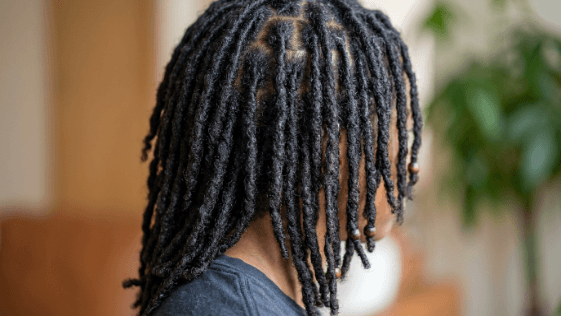
Protective styles carry you through busy weeks and give your hair a rest: box braids, twists, cornrows, flat twists, buns and updos, or wigs over your own protected hair. They keep your ends safe and let length build up.
Stretched styles like a high puff, banding or a threaded stretch show off your length without heat. And of course an afro, picked out and full, needs nothing at all but healthy, moisturised hair and a pick.
Finding the right help in the UK
You do not have to work all this out alone. A good natural hair salon that genuinely specialises in type 4 hair is worth its weight, someone who can shape, treat and style your coils without reaching for the relaxer, and who can teach you what your own hair needs. If you would rather find one near you, look through African hair salons near you and choose one that talks confidently about coily and 4C hair.
Getting the right products locally makes the routine far easier to keep up. Sulphate-free shampoos, thick deep conditioners, water-based leave-ins, oils and butters, wide-tooth combs and satin bonnets are all things a well-stocked shop will carry. To find one close to home, browse beauty supply shops near you and ask the staff what works for type 4 hair, as they often know their shelves and their customers well.
Frequently asked questions
Is 4C hair harder to grow long?
No, 4C hair grows at the same rate as any other hair. It can be harder to keep length because the tight coils make it fragile and prone to breakage, so the length you gain gets snapped off. Keep it moisturised, handle it gently and protect your ends, and length builds up steadily. Remember that shrinkage hides a lot of length that is already there.
How often should I wash 4C hair?
For most people, once a week or once every two weeks is plenty. 4C hair dries out easily, and washing too often with a stripping shampoo makes that worse. Use a gentle, sulphate-free cleanser, focus it on your scalp, and always follow with a deep conditioner.
What is the LOC method and do I need it?
LOC stands for Liquid, Oil, Cream, the order you layer products to lock in moisture. You start with a water-based leave-in, add oil to seal, then a cream or butter to hold it all in. It is one of the most reliable ways to keep 4C hair moisturised, so it is well worth trying. If your hair prefers cream before oil, that is the LCO method, and either is fine.
Why does my 4C hair shrink so much?
Because your coils are tight and springy, which is a sign of healthy, elastic hair. Shrinkage means your hair coils right back up as it dries, sometimes to a fraction of its wet length. It is completely normal for 4C hair. If you want to show length, use stretched styles like twist-outs, banding or a high puff rather than heat.
Can I find a salon that really understands 4C hair?
Yes. Look for a natural hair salon that specialises in type 4 and coily hair, rather than a general salon, as they will know how to treat, cut and style your coils without damage. You can search African hair salons near you to find one nearby.