The short answer
Kinky twists are a protective hairstyle made by two-strand twisting sections of the hair with added kinky-textured braiding hair, rather than braiding them. The textured hair blends closely with natural Afro hair for a soft, natural-looking result, and because the style is twisted rather than plaited, it tends to be quicker to install and gentler than some braided styles. They usually last several weeks with good care. In the UK the twisted hair is sold by Afro hair and beauty shops, and braiders install the style.
What to remember
- Kinky twists are a protective style of two-strand twists made with added kinky-textured hair.
- The textured hair blends closely with natural Afro hair for a soft, natural look.
- They usually last several weeks with good care, and the twisting hair is sold by Afro hair and beauty shops.
- Being twisted rather than braided, they are often quicker to install and can feel gentler.
- They tuck the natural hair away to reduce manipulation and help retain length.
For many Black women and girls in Britain, kinky twists are part of the rhythm of caring for natural hair. They are the soft, textured style that looks like your own hair but fuller and longer, the weeks of easy mornings, the protective break that lets the hair rest, and the familiar hours in a twister's chair or an evening spent twisting at home.
They carry the shared knowledge of natural hair care, passed between mothers, sisters, and friends, and the quiet satisfaction of a style that both looks natural and protects.
There is heritage in them too, in the two-strand twist itself, a technique with deep roots in African hairstyling, and in the whole culture of protective styling that helps Afro-textured hair thrive.
Choosing kinky twists is part of a wider story of caring for natural hair on its own terms, celebrating its texture rather than hiding it. That blend of everyday practicality and connection to a long tradition of Black hair care is what makes kinky twists more than just a style.
What are kinky twists?
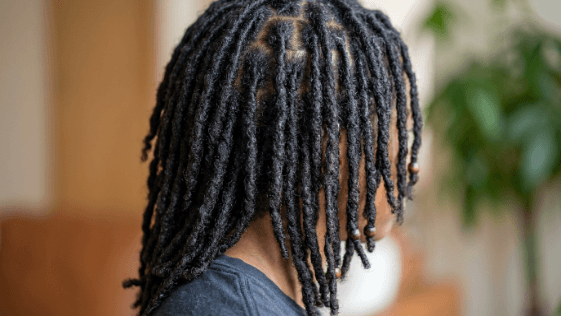
Kinky twists are a protective hairstyle built on the two-strand twist, made by taking a section of natural hair, adding kinky-textured braiding hair, and twisting the two strands around each other from root to tip.
The defining feature is the hair used: rather than the smooth, straight synthetic hair of many braids, kinky twists use hair with a coarse, kinky texture that mimics natural Afro hair, so the finished twists blend softly with your own hair and have a natural, textured look rather than a sleek one. You can read about the underlying technique in our guide to the [two-strand twist](/blog/two-strand-twist).
Kinky twists are loved for that natural appearance and for their versatility. They can be worn short or long, thick or fine, left loose or styled up, and their soft texture gives a fuller, more organic look than smoother braids.
Because they are twisted rather than plaited, they are often faster to install and can feel a little gentler on the hair, while still offering the protection of a long-lasting style. They sit alongside other protective options we cover in guides like [passion twists](/blog/passion-twists) and [box braids](/blog/box-braids).
The Hair Texture
The heart of kinky twists is the hair used to make them, and understanding it explains the style. The added hair is a kinky, coily-textured braiding hair, often sold under names describing an afro or kinky texture, chosen specifically because it resembles natural Afro-textured hair.
This is what gives kinky twists their soft, matte, natural finish and their ability to blend seamlessly with your own hair, so the twists look like a fuller, longer version of your natural texture rather than an obviously synthetic addition.
This textured hair also affects how the style feels and behaves. It tends to be lightweight and soft, which is part of why kinky twists can feel comfortable, and its texture grips well in a twist, helping the twists hold without needing the tight tension of some braided styles.
The blend of your natural hair and the matching textured hair is exactly what makes kinky twists look and feel so natural.
Kinky-twists versus Braids
People often compare kinky twists with braided styles like box braids, and the differences are worth knowing. The most basic is the technique: kinky twists are made by twisting two strands around each other, while braids like box braids are made by plaiting three strands.
Twisting is generally quicker than braiding, so kinky twists can often be installed in less time, and the twisting motion can feel gentler, though a skilled hand matters either way. You can compare the braided approach in our guide to [box braids](/blog/box-braids).
The look is different too. Kinky twists, made with textured hair, have a soft, natural, matte finish that blends with Afro hair, while smooth braids have a sleeker, more defined appearance.
In terms of longevity, braids often last a little longer than twists, as twists can begin to unravel or frizz sooner, but both are protective styles that last weeks with care. Neither is simply better; kinky twists suit those wanting a natural, textured look and a gentler, quicker install, while braids suit those wanting a sleeker, longer-lasting finish.
How to Take Care of Kinky Twists
Kinky twists are low effort, but a little care keeps them looking good and protects the hair underneath. The scalp still needs to be kept clean and moisturised, so gently cleansing the scalp and using a light oil or moisturising spray prevents dryness and itching.
Because twists can be more prone to frizz and unravelling than braids, being gentle with them, avoiding excessive pulling, and retwisting or securing any that loosen helps them last. At night, wrapping the twists in a satin or silk scarf, or sleeping on a satin pillowcase, greatly reduces frizz and keeps them neat.
As with any protective style, it is wise not to leave kinky twists in too long, since leaving them for many weeks can cause matting where the twist meets new growth and add stress to the hair.
Taking them down gently and patiently, with plenty of moisture, protects the hair from breakage, and giving the hair a little care and rest between styles keeps it healthy. Looked after this way, kinky twists give weeks of an easy, natural-looking, protective style. Understanding your hair's needs, as we cover in our guide to [4c hair](/blog/4c-hair), helps you care for it well.
Where to get kinky twists in UK?
Kinky twists are widely available in Britain, both to install yourself and to have done professionally. The twisting hair is sold by Afro hair and beauty shops that serve Black communities, which stock kinky and afro-textured braiding hair in many colours and lengths, and the staff can help you pick a texture that matches your own hair.
If you are having them done, professional braiders and twisters offer kinky twists in salons and from home, especially in cities with large African and Caribbean communities.
If you are new to kinky twists, an [Afro hair and beauty shop near you](/beauty-supply-near-me) will have the textured hair and the moisturising products to care for the style and can advise on how much hair you need.
To have them installed, you can find [African hair salons near you](/african-hair-salons-near-me) to book someone who does twists. Whether you install them yourself or book a stylist, choosing good textured hair and caring for the twists gives a soft, natural, protective style that lasts.
Frequently asked questions
What are kinky twists?
Kinky twists are a protective hairstyle made by two-strand twisting sections of the hair with added kinky-textured braiding hair, rather than braiding them. The textured hair blends closely with natural Afro hair for a soft, natural-looking result. They tuck the natural hair away to reduce daily manipulation and help retain length and last several weeks with good care.
What hair is used for kinky twists?
Kinky twists use a kinky, coily-textured braiding hair chosen because it resembles natural Afro-textured hair, giving a soft, matte, natural finish that blends with your own hair. It is often sold under names describing an afro or kinky texture. Choosing a texture and colour that matches your natural hair gives the most seamless result.
What is the difference between kinky twists and box braids?
Kinky twists are made by twisting two strands around each other, while box braids are made by plaiting three strands. Twists use textured hair for a soft, natural look and are often quicker to install and gentler, while braids use smoother hair for a sleeker finish and tend to last a little longer. Both are protective styles lasting weeks with care.
How long do kinky twists last?
With good care, kinky twists usually last several weeks. They can be a little more prone to frizz and unravelling than braids, so being gentle with them, wrapping them at night, and securing any that loosen helps them last. It is best not to leave them in too long, as leaving them for many weeks can cause matting and stress the hair.
Where can I get kinky twists in the UK?
The textured twisting hair is sold by Afro hair and beauty shops serving Black communities, which stock kinky and afro-textured hair in many colours and lengths. To have the style installed, professional braiders and twisters offer kinky twists in salons and from home, especially in cities with large African and Caribbean communities.