The short answer
African black soap is a traditional West African cleansing bar made from plant ashes, most often plantain skins and cocoa pods, blended with oils such as shea butter and palm kernel oil, then cured over several days. It is used to gently cleanse the face, body and hair, and it suits many skin types. The texture is raw and soft rather than smooth, and it can be drying for some people, so a patch test and a follow-up moisturiser are sensible. Genuine bars are irregular in shape and colour, unlike the uniform, jet-black copies often sold as the same thing.
What to remember
- African black soap is a centuries-old West African cleanser, known in Ghana as alata samina and among the Yoruba as ose dudu.
- It is made from ashed plant matter, usually plantain skins and cocoa pods, blended with oils like shea butter and palm kernel oil.
- People use it to cleanse the face and body, and some use it on the scalp and hair too.
- It can feel drying for some skin, so patch test first, use it in moderation and follow with a moisturiser.
- The real thing looks uneven and earthy brown to black; a perfectly smooth, uniformly jet-black bar is usually an imitation.
There is something grounding about a product that has not changed in centuries. In West Africa, black soap is not a trend or a shelf of matching bottles. It is the soap made by hand in Ghanaian and Yoruba communities, the alata samina traded in the markets and the ose dudu kept by the washbasin at home. It carries the smell of the clay oven and the work of the women who roast the plantain skins and cocoa pods just so, because the roast is the difference between a good bar and a poor one.
For families across the African and Caribbean diaspora in the UK, keeping a bar of black soap is a small, steady thread back to home. It is the everyday thing your mother or grandmother used, known by its own name rather than a marketing one, and finding the genuine article on a shelf here can feel like a proper piece of home turning up in the aisle.
What is African black Soap
African black soap is one of the oldest cleansers still made the same way it always has been. At its heart it is simple: plant material is dried and burned to ash, that ash is mixed with oils and butters, and the paste is left to cure into a soft, workable bar. Nothing about it is glossy or uniform. A genuine bar tends to be earthy brown rather than truly black, soft enough to press with a thumb, and rarely the same shape twice.
Because it is a natural, minimally processed product, people often reach for it as a gentle everyday wash. It is widely used as a cleanser suited to many skin types, from oily to dry, though as with any cleanser how it behaves depends on your own skin.
How it is traditionally made
The making is where black soap earns its name and its character. The exact recipe shifts from region to region and family to family, but the traditional method follows a recognisable path.
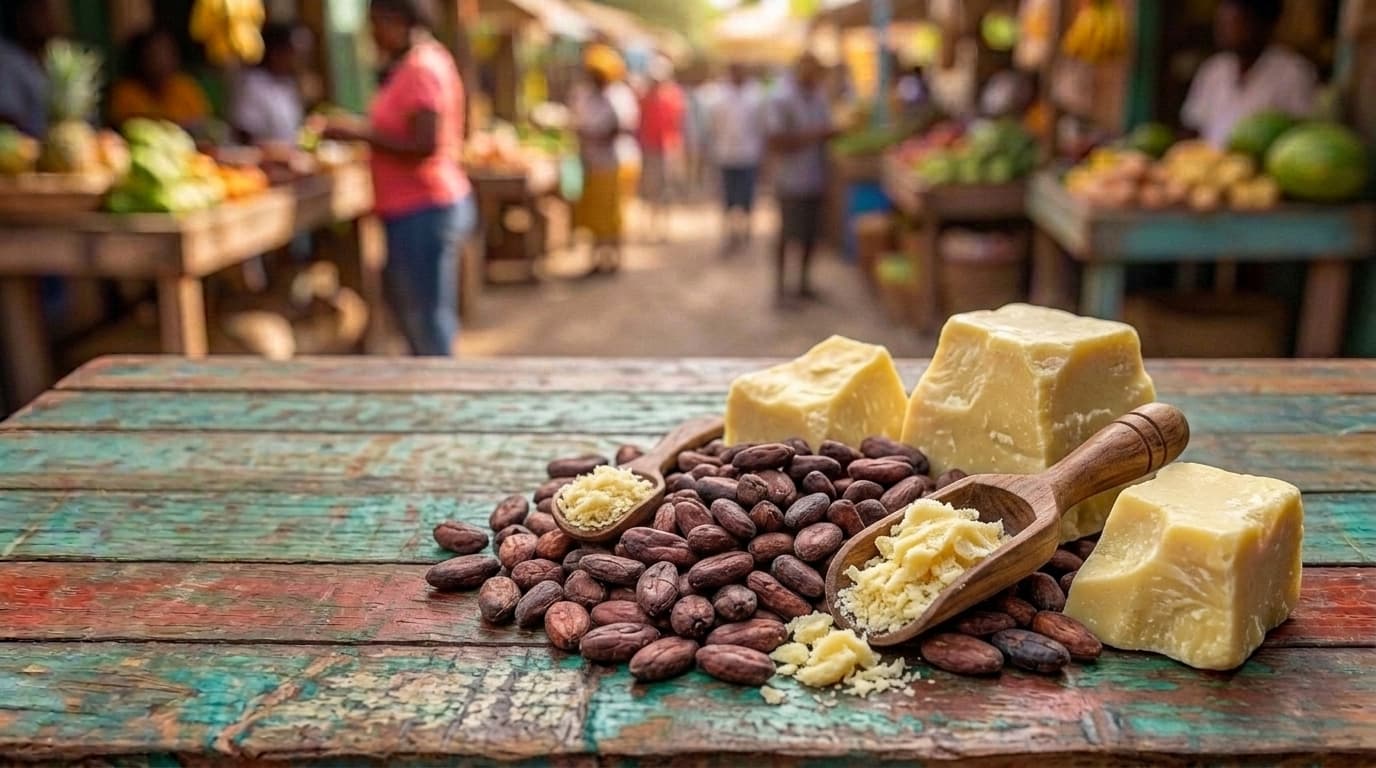
First, plant matter is gathered and dried. This usually means plantain skins, cocoa pods, palm leaves and sometimes shea tree bark. These are roasted or burned in a clay oven or over an open fire until they turn to a fine ash. That ashing stage is what gives the soap its colour and its cleansing quality, and getting the roast right is a real skill.
The ash is then mixed with water and with oils and butters, most often shea butter and palm kernel oil, and sometimes coconut oil. The mixture is stirred and worked by hand until it thickens into a paste. Finally it is left to cure over several days, during which it firms up into the soft bar sold in markets. It is traditionally made by women, and in many communities the recipe and the technique are passed down through generations.
African black Soap heritage and names
Black soap belongs to West Africa, and its story is strongest in Ghana and among the Yoruba people of Nigeria. In Ghana it is known as alata samina, a name that points to its trade history. Among the Yoruba it is ose dudu, which simply means black soap. You will also hear regional names across the wider region, each tied to a local recipe and a local way of making it.
For generations it has been a household staple, made at home or bought fresh from a market trader who made it herself. It travelled with people, which is why families across the African and Caribbean diaspora still keep a bar in the bathroom and still know it by its home name.
How people use it
On the face, most people work the soft bar into a light lather in wet hands, or rub it between the palms, then massage it gently over the skin and rinse. Because the raw bar can hold grit, many prefer to lather it in their hands first rather than rubbing the bar straight onto delicate facial skin.
On the body, it is used much like any bar or lather, worked over damp skin in the shower and rinsed clean. Some people prefer to break off a small piece and dissolve it into a soft paste rather than use the whole bar.
On the hair and scalp, some people use it as a clarifying wash, lathering it through wet hair to cleanse the scalp, then rinsing thoroughly and following with conditioner. It can feel stripping on the lengths of the hair, so a good conditioner or oil afterwards helps. If you colour or chemically treat your hair, a stylist can tell you whether it suits your routine, and many African hair salons near you will know the local products well.
Honest Notes
Black soap is not a polished, spa-shop bar and it does not pretend to be. The texture is raw and a little rough, and small pieces of grit from the ash are normal. That rawness is part of what people like, but it means a few sensible habits are worth keeping.
It can be drying for some people, particularly on the face and particularly if you use it too often. Patch test a new bar on a small area first, use it in moderation rather than several times a day, and always follow with a moisturiser to keep your skin comfortable. If you have a specific skin concern, speak to a pharmacist, GP or dermatologist rather than relying on any soap to sort it out. Black soap is a cleanser, not a treatment.
How to tell genuine African Black Soap from imitations
The market is full of bars labelled black soap that are nothing like the traditional article, so it helps to know what the real thing looks like. Genuine African black soap is uneven in shape and colour, usually earthy brown to dark grey rather than a solid jet black. It is soft, almost pliable, and it often has a faintly earthy, natural smell rather than a strong perfume.
Be wary of bars that are perfectly smooth, uniformly shaped and dyed an intense uniform black, as deep colour is often a sign of added dye rather than authenticity. A long list of synthetic fragrances and colourants on the label is another clue. The most reliable route is to buy from a shop that knows its source, which is where a good beauty supply shop earns its place.
Where to buy genuine African black soap in the UK
In the UK, the surest place to find the real thing is a specialist beauty supply shop that serves the African and Caribbean community, where the staff often know exactly which region a bar comes from and how it was made. You can find beauty supply shops near you and ask them directly about their black soap, whether it is raw and traditionally made, and where it was sourced. Buying in person also lets you check the texture and smell before you commit, which is far harder to judge online.
How to store African Black Soap
Because it is soft and natural, black soap needs a little care in storage. Keep the bar dry between uses, as it will soak up water and turn mushy if it sits in a puddle. A well-drained soap dish, away from the direct spray of the shower, keeps it firm for longer. Many people cut off a small working piece and keep the rest wrapped in cling film or a sealed bag so the main bar stays fresh and does not dry out or crumble. Stored well, a single bar lasts a long time.
Frequently asked questions
Is African black soap good for your face?
Many people use it as a gentle everyday facial cleanser and it suits a range of skin types. That said, it can be drying for some, so lather it in your hands first, use it in moderation and follow with a moisturiser. If you have a specific skin concern, check with a pharmacist or dermatologist.
What is African black soap made of?
Traditionally it is made from the ash of dried plant matter, most often plantain skins and cocoa pods, blended with oils and butters such as shea butter and palm kernel oil, then cured over several days into a soft bar. Exact recipes vary by region and family.
What does ose dudu mean?
Ose dudu is the Yoruba name for black soap, and dudu simply means black. In Ghana the same kind of soap is known as alata samina. Both names point to the same West African tradition of ashed, hand-made cleansing bars.
Why is my black soap not black?
That is usually a good sign. Genuine African black soap is more often earthy brown to dark grey than truly black, and it is uneven in colour and shape. A perfectly uniform, jet-black bar has often been dyed, so the natural, patchy look is closer to the real thing.
How do I store African black soap so it lasts?
Keep it dry between uses and out of the direct shower spray, and set it on a well-drained soap dish. Many people cut off a small working piece and keep the rest wrapped up, so the main bar stays firm and does not turn mushy or crumble.