What Is Low Porosity Hair? How to Know and How to Care for It
Quick answer
Low porosity hair is hair whose outer layer, the cuticle, lies flat and tightly closed, so it resists letting water and moisture in. This means products tend to sit on top of the hair rather than soaking in, water can take a while to fully wet the hair, and the hair can be prone to product build-up. It is common in Afro-textured hair but can occur with any hair type. You can get a rough sense of it with the float test, where a clean strand dropped in water tends to float rather than sink. Caring for it is about helping moisture get in, using gentle heat, lightweight products and the right routine. Products for it are sold by Afro hair and beauty shops across the UK.
- Other names
- low porosity, resistant hair
- Origin
- Diaspora
- Type
- Hair
For many Black women and men in Britain, understanding porosity is a turning point in a long relationship with their hair. So many people grow up feeling their hair is difficult, dry or unresponsive, trying product after product without knowing why nothing quite works, and learning that it is simply low porosity and that it needs warmth and lightness rather than more heavy grease can feel like a small revelation. It replaces frustration with a sense of finally understanding and caring for your own hair on its own terms.
There is something affirming in that. Afro-textured hair has too often been treated as a problem to be fixed, when really it just asks to be understood, and getting to know your porosity is part of embracing your natural hair with confidence. Walking into a shop that stocks the right products, run by people who know this hair, and coming away able to care for it properly, is a quietly powerful thing. That sense of understanding and self-care is the real gift here, well beyond any single product.
What is Porosity?
Before looking at low porosity specifically, it helps to understand what hair porosity is, because it is one of the most useful things to know about your hair. Porosity describes how well your hair absorbs and holds moisture, and it comes down to the cuticle, the outer layer of the hair strand made of tiny overlapping scales, a bit like roof tiles. When those scales lie flat and tight, water struggles to get in, and that is low porosity. When they are raised or gappy, water gets in and out easily, and that is high porosity. Most people sit somewhere on this scale, and knowing where you fall takes a lot of the guesswork out of hair care.
Porosity is partly something you are born with and partly affected by heat, colouring and damage over time. It is not about how curly or coily your hair is, though it matters a great deal for Afro-textured hair, which is naturally more prone to dryness. Getting to grips with your porosity is often the missing piece for people who feel their hair never seems to respond to products the way they expect. You can read about the whole picture in our guide to 4c hair.
How to Know if You Have Low Porosity Hair
There are a few everyday signs that point to low porosity hair. Water tends to bead up on it and take a while to soak in when you wet it, so it can feel like it takes ages to get your hair properly wet in the shower. Products, especially heavier creams and oils, sit on top and can leave a film rather than absorbing, and hair can feel coated or greasy while still being dry underneath. Hair can also take a long time to air dry. If several of these sound familiar, low porosity is likely.
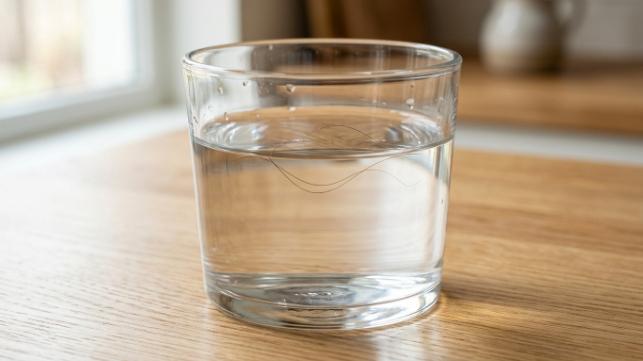
The best-known home check is the float test. Take a clean strand of shed hair, with no product on it, drop it into a glass of water, and watch. Hair that floats for a while before sinking suggests low porosity, because water is struggling to penetrate it, while hair that sinks quickly suggests higher porosity. It is a rough guide rather than a lab test, and results can be thrown off by product residue, so treat it as one clue alongside how your hair actually behaves day to day.
Why Low Porosity Hair Can Be Tricky
The central challenge with low porosity hair is simple to state: moisture struggles to get in. Because the cuticle lies flat, water and water-based products are held at bay, which means the hair can feel dry even when you are diligently applying products, and those products can build up on the surface instead of doing their job.
Rich, heavy butters and oils, which suit some hair beautifully, can be too much for low porosity hair and simply sit on top, weighing it down and adding to build-up.
None of this means low porosity hair is bad hair, far from it. It often holds a style well and can be less prone to some kinds of damage. It just needs a slightly different approach, one focused on opening the door to moisture and keeping the hair free of build-up, rather than piling on ever more product. Once you work with its nature rather than against it, low porosity hair can be healthy, soft and well moisturised.
How to Care for Low Porosity Hair
The guiding idea for low porosity hair is to help moisture get in and keep the hair clear so it can absorb what you give it. Gentle heat is your friend: applying a conditioner or treatment and then covering the hair with a shower cap, or using a warm towel or a hooded dryer, encourages the flat cuticle to lift a little and let moisture through.
Deep conditioning with a little heat is particularly effective. Water-based, lightweight products absorb better than heavy ones, so leave-in conditioners and lighter creams often suit low porosity hair better than thick butters.
It also helps to clarify from time to time, using a clarifying wash to remove the build-up that low porosity hair is prone to so products can actually reach the hair. Applying products to warm, damp hair rather than dry hair helps them soak in, and a small amount worked through well beats a heavy layer sitting on top. Warmed, lighter oils can seal in moisture without overwhelming the hair.
The overall routine is less about expensive products and more about method: warmth, water, lightness and keeping things clean. This sits alongside the wider protective-styling approach in our guides to cornrows and knotless braids.
Where can I find the Products in UK?
The good news is that once you know you have low porosity hair, shopping becomes much easier because you can look for the right kind of products rather than trial and error. Afro hair and beauty shops across Britain stock the lightweight leave-in conditioners, deep conditioners, clarifying washes and lighter oils that suit low porosity hair, along with the shower caps and accessories that make the warm-conditioning method easy. Staff in these shops are used to helping with porosity questions and can point you towards products that absorb well.
When you shop, look for lighter, water-based leave-ins and creams rather than the heaviest butters, and do not be afraid to ask for advice, since these shops serve people managing exactly this hair type every day. You can find an [Afro hair and beauty shop near you to pick up what you need, and if you would like professional help with a routine or a treatment, you can find African hair salons near you whose stylists understand textured hair and porosity.
Key takeaways
- It is common in Afro-textured hair, and suitable products are sold by Afro hair and beauty shops across the UK.
- Caring for it means helping moisture in with gentle heat, lightweight products and clarifying when needed.
- The float test gives a rough guide: a clean strand tends to float rather than sink.
- Products tend to sit on top rather than soaking in, and the hair can be prone to build-up.
- Low porosity hair has a flat, tightly closed cuticle, so it resists absorbing water and moisture.
Frequently asked questions
What is low porosity hair?
Low porosity hair has a flat, tightly closed cuticle, the outer layer of the hair strand, so it resists letting water and moisture in. Products tend to sit on top rather than soaking in, water can take a while to fully wet the hair, and the hair is prone to product build-up. It is common in Afro-textured hair.
How do I know if I have low porosity hair?
Signs include water beading up and taking a while to soak in, products sitting on top and leaving a film, hair feeling coated yet still dry, and slow air drying. The float test is a rough guide: drop a clean strand of shed hair in water, and hair that floats for a while before sinking suggests low porosity.
Why is low porosity hair harder to moisturise?
Because the flat cuticle keeps water and water-based products from penetrating, the hair can feel dry even when you apply plenty of product, and heavy butters and oils tend to sit on the surface and build up rather than absorbing. It needs an approach focused on getting moisture in rather than piling on product.
How do you care for low porosity hair?
Use gentle heat, such as covering conditioned hair with a shower cap or using a warm towel, to help the cuticle lift and let moisture in, and choose lightweight, water-based leave-ins and creams over heavy butters. Clarify occasionally to remove build-up and apply products to warm, damp hair so they absorb better.
Where can I find products for low porosity hair in the UK?
Afro hair and beauty shops across the UK stock the lightweight leave-in conditioners, deep conditioners, clarifying washes and lighter oils that suit low porosity hair, and the staff can advise on porosity. For professional help with a routine or treatment, look for an African hair salon whose stylists understand textured hair.
Join African Stores free
Save shops, follow the ones you love and get your free member card.
Your free member card: show it at participating shops for member offers.
Get the app