What Is Bitter Kola? Uses, Facts and Cautions
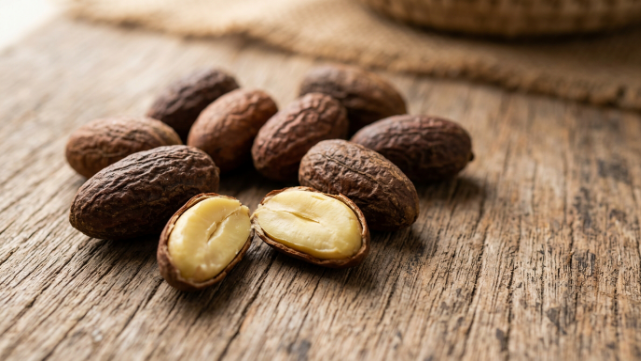
Quick answer
Bitter kola is the seed of a West African tree, Garcinia kola, chewed for its distinctive bitter, slightly astringent taste and its mild stimulant effect. It has deep cultural roots in West Africa, especially Nigeria, where it features in traditional hospitality, ceremonies and folk medicine, and is often offered to guests. It should not be confused with the kola nut, which is a different seed. Bitter kola is widely believed in West African tradition to have various health benefits, and there is some early scientific interest in the plant, but the popular claims are not firmly proven, and it is best treated as a traditional food and mild stimulant rather than a medicine. In the UK bitter kola is sold by African food shops. This article is general information, not medical advice.
- Other names
- Garcinia kola, orogbo (Yoruba), aku ilu (Igbo)
- Origin
- West Africa
- Type
- Wellness
Bitter kola is a taste and a ritual that carries home with it for many West Africans in Britain. It is the seed offered to a visitor as a sign of welcome, the shared bitterness at a gathering, or the small everyday tradition passed down through families and communities.
That sharp, unmistakable bitterness is tied up with hospitality, respect and belonging, and having bitter kola to hand, or offering it to a guest far from home, is a way of keeping a meaningful custom alive.
There is heritage in it too, a link to generations who chewed the same seed and to the ceremonies and social rituals it has always been part of. Bitter kola is a reminder that food and custom are woven together in West African life, that a simple seed can hold a whole tradition of welcome and community.
Sharing it with people who understand its meaning, or explaining it to a friend encountering that startling bitterness for the first time, is a small act of cultural connection. That sense of tradition and hospitality, held in one bitter seed, is the quiet gift of bitter kola.
This article is for general information and is not medical advice. Bitter kola is not a treatment or cure for any condition. If you have a health concern, or are pregnant, breastfeeding or taking medication, speak to a doctor or pharmacist.
What is Bitter Kola?
Bitter kola is the seed of Garcinia kola, a tree native to the forests of West and Central Africa. The seeds are brownish, roughly the size of a small nut, and are eaten by chewing, releasing a strong bitter, slightly astringent flavour that mellows a little as you chew them. That bitterness is the defining feature and the source of the name, and it is an acquired taste that many people across West Africa know and enjoy. The seed contains natural compounds, including caffeine-related stimulants, which give it a mild energising effect, one reason it has long been chewed.
Bitter kola is more than a snack, though, it is a cultural staple. In Nigeria and neighbouring countries it is a traditional part of hospitality, often presented to guests as a gesture of welcome, and it appears in ceremonies, prayers and social rituals. It has also featured for generations in traditional folk medicine. So while it is a simple seed, it carries real cultural weight, and understanding that context is part of understanding what bitter kola is. It sits among the traditional West African ingredients and remedies we approach with the same care as our guides to moringa and black seed oil.
Bitter Kola versus the Kola nut
A very common point of confusion is between bitter kola and the kola nut, and it is worth clearing up because they are different things. Bitter kola comes from Garcinia kola and is chewed for its bitter taste.
The kola nut comes from a different tree, of the Cola genus, and while it is also chewed as a stimulant and has its own strong cultural significance in West Africa, it tastes different, less intensely bitter, and it is the seed historically associated with flavouring early cola drinks. The two are often mentioned together, and both are offered in hospitality, but they are botanically distinct.
Knowing the difference helps when you are shopping or reading about them, since the names are so similar. Both are traditional West African stimulant seeds with deep cultural roles, but bitter kola is the smaller, more intensely bitter Garcinia kola seed, while the kola nut is the larger Cola seed. If a recipe, tradition or shop refers to one specifically, it is worth being clear which is meant, as they are not interchangeable in taste or use.
What Is and Is Not Known About Its Benefits
Bitter kola has a strong reputation in West African tradition for a wide range of health benefits, and it is often chewed with those beliefs in mind. In traditional use it has been associated with things like aiding digestion, easing coughs and supporting general wellbeing, and the plant has attracted some scientific interest, with early laboratory and preliminary studies looking at compounds in Garcinia kola. It genuinely does contain natural stimulant compounds that can produce a mild energising, alertness-boosting effect, similar in kind to other caffeine-containing foods.
It is important to be honest and balanced here, though. The many popular claims about bitter kola curing or treating specific conditions are not firmly established by strong human evidence, and early or laboratory research is not the same as proof that it works as a treatment in people. So bitter kola is best approached as a traditional food and mild stimulant with cultural value, not as a medicine or a cure. It should not be used to treat or replace treatment for any medical condition, and anyone with a health concern should speak to a doctor or pharmacist rather than relying on bitter kola. Enjoyed as part of tradition, in moderation, it is a meaningful and long-loved part of West African life.
Things to Take Cautions About
As with any food that contains stimulant compounds, a little common sense applies to bitter kola. Because it has a mild caffeine-like effect, eating a lot of it could contribute to the sorts of effects associated with stimulants, such as restlessness or affecting sleep, so moderation is sensible, particularly for anyone sensitive to caffeine.
Pregnant or breastfeeding women, and anyone with a health condition or taking medication, should be cautious and check with a healthcare professional before consuming it regularly, just as they would with other stimulant foods.
None of this is a reason for alarm, it is simply the balanced approach that any traditional food deserves. Bitter kola has been chewed safely as part of everyday life across West Africa for generations and treated as a food and a cultural practice rather than a remedy, and consumed in moderation, it is a normal part of many people's lives. The key is to enjoy it for what it is, its taste, its mild lift and its cultural meaning, without expecting it to work medical miracles and to seek proper medical advice for any genuine health concern.
Where can I Buy Bitter Kola in UK?
Bitter kola is sold in Britain by African food shops that serve West African communities, usually as the whole dried seeds, sometimes loose and sometimes packaged. It keeps reasonably well in its dried form, and it is inexpensive, so it is easy to pick up a supply.
Because the names are so similar, it is worth specifying bitter kola, or Garcinia kola, if you want that particular seed rather than the kola nut, and the shop staff will know the difference.
An African food shop that serves Nigerian and West African customers is your best bet, and the staff can point you to the bitter kola and tell you what they stock. You can find African food stores near you. or look up Caribbean food stores near you. Whether you want it for its taste, its mild lift, or to offer to guests in the traditional way, it is a straightforward thing to find.
Key takeaways
- It is best seen as a traditional food and mild stimulant, not a medicine, and is sold in the UK by African food shops.
- Many health benefits are claimed for it in tradition, but these are not firmly proven by strong evidence.
- It is a different seed from the kola nut, though the names are similar.
- It has deep cultural roots in West Africa, featuring in hospitality, ceremonies and traditional medicine.
- Bitter kola is the seed of the West African tree Garcinia kola, chewed for its bitter taste and mild stimulant effect.
Frequently asked questions
What is bitter kola?
Bitter kola is the seed of the West African tree Garcinia kola, chewed for its distinctive bitter, slightly astringent taste and its mild stimulant effect from natural caffeine-related compounds. It has deep cultural roots in West Africa, where it features in hospitality, ceremonies and traditional folk medicine.
What is the difference between bitter kola and the kola nut?
They are different seeds from different trees. Bitter kola comes from Garcinia kola and is smaller and more intensely bitter, while the kola nut comes from a Cola tree, is larger, less bitter, and is the seed historically linked to early cola drinks. Both are traditional West African stimulant seeds offered in hospitality, but they are botanically distinct.
Does bitter kola have health benefits?
It has a strong reputation in West African tradition for various benefits, and the plant has attracted some early scientific interest, but the popular claims are not firmly proven by strong human evidence. It does contain mild stimulant compounds. It is best seen as a traditional food and mild stimulant, not a medicine, and it should not replace medical treatment.
Join African Stores free
Save shops, follow the ones you love and get your free member card.
Your free member card: show it at participating shops for member offers.
Get the app