The short answer
Okra is a green seed pod, also called ladies' fingers, ochro or bhindi, eaten as a vegetable across West Africa, the Caribbean, the American South and South Asia. It is a source of fibre, vitamin C and folate, and it is low in calories. When cooked it releases a natural slippery texture that thickens soups and stews such as okra soup, gumbo and callaloo. Okra water, made by soaking pods in water overnight, is a popular home practice, but evidence for specific health benefits is limited, and it is not a substitute for medical care.
What to remember
- Fresh and frozen okra are both easy to find in African and Caribbean shops across the UK, so you are never far from a pot.
- Okra water is a well loved tradition, but treat the bolder health claims with a calm head. The evidence is thin, and it is not medicine.
- That famous slippery texture is a feature, not a fault: it is what thickens okra soup, gumbo and callaloo. You can also reduce it if you prefer the pods crisp.
- It carries fibre, vitamin C and folate, and it is naturally low in calories, so it is a genuinely nourishing vegetable.
- Okra goes by many names, 'ladies' fingers', 'ochro' and 'bhindi' among them, but it is the same green ridged pod in every kitchen.
There is a reason okra shows up at so many tables across West Africa and the Caribbean, and it is bigger than the pod itself. Okra travelled with West Africans across the Atlantic during the transatlantic slave trade, and it took root wherever they landed. That is how one vegetable came to anchor a Nigerian okra soup, a Louisiana gumbo and a pot of Caribbean callaloo all at once. The word 'gumbo' even comes from a West African name for okra, a small piece of language that carries a whole history inside it.
In a West African kitchen, okra soup is often the dish that says home most clearly. The rhythm of chopping the pods fine, the smell of palm oil and pepper, and the stretch of the soup as it lifts from the pot with a piece of swallow, these are the textures of Sunday afternoons and family gatherings. In Caribbean homes, ochro carries the same warmth, stewed down soft or folded through rice, part of the everyday cooking that keeps a culture alive far from where it began. To cook okra is to keep that thread unbroken, and to pass it on to the next person who reaches for the pot.
What is Okra?
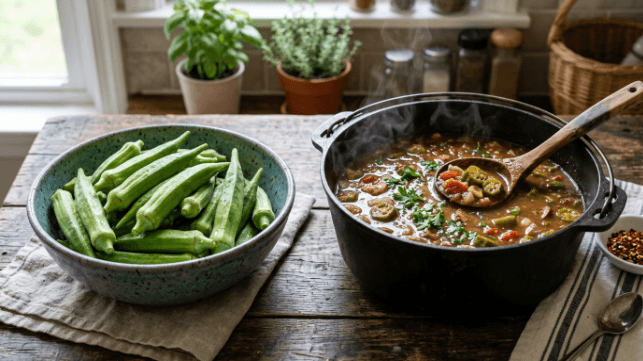
Okra is the edible seed pod of a flowering plant in the mallow family, related to hibiscus and cotton. The pods are green, ridged and tapered, which is exactly why so many people call them ladies' fingers. In the Caribbean you will hear ochro, in South Asian kitchens it is bhindi, and in much of West Africa the local name simply means okra. Whatever the label, you are looking at the same thing: a young pod picked before it turns woody, holding rows of small pale seeds and a soft green flesh.
Pick pods that are firm, bright and no longer than a finger. Very large pods can be tough and stringy, so smaller is usually better. It grows in warm climates, which is why almost all of the okra sold in the UK is imported and why the frozen bags on the shelf are such a reliable standby.
The Heart of West African and Caribbean Cooking
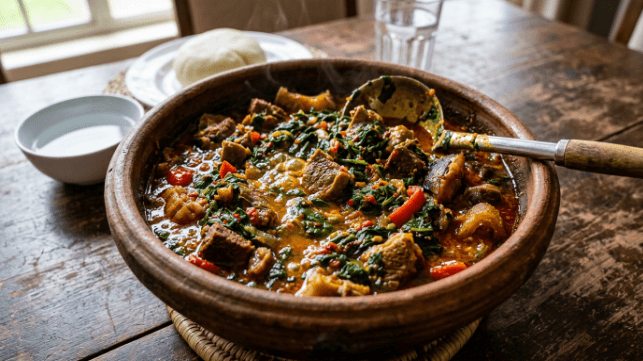
Okra is not a side note in these kitchens. It is a main event. In Nigeria, Ghana and across West Africa, okra soup is a staple, the chopped pods cooked down with palm oil, peppers, stockfish, meat or seafood into something rich and spoonable, eaten with a swallow like eba, fufu or pounded yam. You will find okra woven all through Nigerian food, where a good pot of okra soup is a point of real family pride.
Cross the Atlantic, and the same pod tells the story of the African diaspora. In the American South, okra is the soul of gumbo, the Louisiana stew whose name traces back to a West African word for okra itself. In the Caribbean, ochro turns up in callaloo, in rice, in saltfish dishes and in simple stewed pots, and it is part of the everyday rhythm of Caribbean food. One vegetable, carried across oceans, still holding families together at the table. That is not a small thing.
The Slime and How to Manage It
Let us talk about the thing everyone mentions. When you cut and cook okra, it releases a natural slippery substance, sometimes called 'mucilage'. In okra soup, gumbo and callaloo, this is the whole point: it thickens the pot and gives the dish its signature body and pull. Cooks prize it.
If you want it and want plenty, chop the okra small and cook it gently in liquid. To reduce it, keep the pods drier and hotter. Cook them whole or in larger pieces, use a splash of acid such as lemon or lime, do not crowd the pan, and try roasting, grilling or a quick high heat fry rather than a long simmer. Drying the pods well before cooking helps too. Neither approach is right or wrong. It simply depends on the dish you are making.
Okra Nutrition
Okra is a nourishing vegetable that is low in calories. It is a source of dietary fibre, which supports normal digestion, and it provides vitamin C and folate along with smaller amounts of other vitamins and minerals. It also contains plant compounds and antioxidants that are being studied. As with any vegetable, the honest headline is simple: eating okra as part of a varied, balanced diet is a sensible, wholesome choice. The exact amounts vary with the pod and how you cook it, so treat these as general nutrition rather than precise figures.
The Okra Water Question
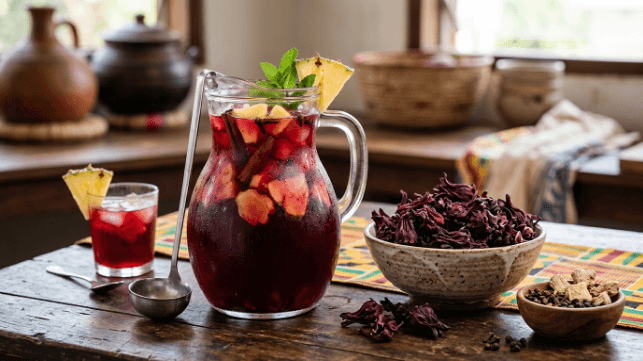
You have probably seen okra water talked about online. The practice is old and simple: slice a few pods, cover them in water, leave them to soak overnight, then drink the slightly thickened water in the morning. It is a genuine home tradition, and there is no harm in enjoying it if you like it.
Where a calm head helps is with the bigger claims. Okra water is often promoted for blood sugar, weight and other health effects. Some early studies suggest okra contains compounds that may have effects worth researching, but the evidence in people is limited, and much of it does not point to okra water specifically. In plain terms: it is a pleasant drink, and it will not hurt you, but you should not rely on it to manage blood sugar or any health condition, and it is not a substitute for medical care or prescribed treatment.
A Note on Health
This article is general information, not medical advice. Okra is a food, not a medicine. It does not treat, cure or prevent any disease, and neither does okra water. If you are managing a condition such as diabetes, are pregnant, or are thinking about changing your diet for health reasons, please speak to a doctor, pharmacist or registered dietitian who knows your circumstances before making changes.
How to Cook and Store Okra
Fresh okra keeps best unwashed in the fridge, loosely bagged, for a few days. Wash it only when you are ready to cook and dry it well, as excess water encourages spoiling and, if you are trying to keep the pods crisp, more slipperiness. It also freezes well: wash, dry, trim, slice if you like, and freeze in a bag, or simply buy it ready-frozen.
To cook it, you have room to play. Chop and simmer it into okra soup or stew for a thick, silky pot. Cut it into rounds and fry hard and fast for a drier, nuttier result. Roast or grill whole pods with oil and spice until they char at the edges. Frozen okra goes straight into soups and stews from the freezer with no fuss, which is why so many UK cooks keep a bag on hand.
Where can I Buy Okra in UK?
Fresh okra appears on the shelves of most African and Caribbean shops, especially those with a busy fresh produce section, and frozen okra, whole or sliced, is close to universal in the freezer aisle. Larger cities tend to have the widest and freshest choice. You can find African and Caribbean food stores near you to see which shops close to you stock fresh produce and frozen vegetables, so you can plan your pot around what is actually in season and on the shelf.
Frequently asked questions
Is okra good for you?
Yes, okra is a nourishing vegetable to include in a balanced diet. It is low in calories and provides fibre, vitamin C and folate. It is not a cure for anything, but as one part of a varied diet full of vegetables it is a genuinely good choice.
What are the benefits of okra water?
Okra water is a traditional drink made by soaking sliced pods overnight. People enjoy it, and it is harmless, but the evidence for specific health benefits, including the popular blood sugar claims, is limited. Enjoy it if you like it, but do not treat it as medicine or a replacement for advice from your doctor. **What is okra called in different cuisines?** It goes by many names. Lady's fingers are common in Britain, ochro in much of the Caribbean, and bhindi in South Asian cooking. They are all the same green, ridged pod. **Where can I buy okra in the UK?** Fresh okra is sold in most African and Caribbean shops with a fresh produce section, and frozen okra is available almost everywhere in the freezer aisle. Use our tool to find African and Caribbean food stores near you and check which ones carry fresh produce. African Stores lists African and Caribbean food shops across the UK, so you can find one near you.
How do I stop okra being slimy?
That slipperiness is natural, and it is exactly what thickens okra soup and gumbo. If you would rather it were less slippery, cook the pods whole or in large pieces, dry them well first, add a little lemon or lime, do not crowd the pan, and cook them hot and fast by roasting, grilling or frying rather than a long simmer.