The short answer
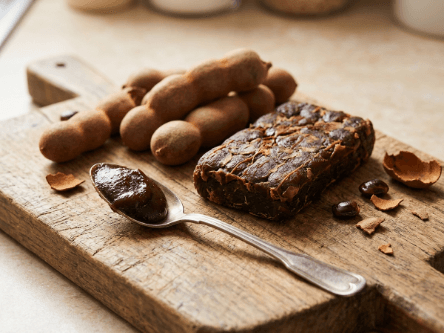
Tamarind is the sour-sweet, sticky pulp found inside the long brown pods of the tamarind tree. It has a tangy, fruity, slightly caramel-like flavour and is used to add sourness to sauces, marinades, chutneys, drinks, and sweets. It is sold as whole pods, pressed blocks of pulp, ready-made paste, and thick concentrate. To use a block, you soak a piece in warm water, then squeeze and strain it to separate the pulp from the seeds and fibers.
What to remember
- Tamarind is the pulp inside the pods of the tamarind tree, prized for a sour-sweet, fruity tang.
- You will find it sold four ways: whole pods, pressed blocks, smooth paste and concentrated extract.
- African and Caribbean food shops across the UK stock it, often more cheaply and in more forms than the big supermarkets.
- A block is easy to prepare: soak a lump in warm water, then mash and strain out the seeds and fibers.
- It is one of the great cross-cultural souring agents, at home in West African, Caribbean, South Asian, Middle Eastern, and Latin American kitchens.
Few ingredients travel as far and mean as much as tamarind. The same fruit that sharpens a soup in Lagos rolls into a sugared tamarind ball in Kingston, softens into chutney in Chennai, and pours as a cold, sweet-tart drink across Mexico. It is one of those rare foods that belongs everywhere without belonging to anyone in particular.
For many families, the memory of tamarind is tied to childhood: the pucker of biting into a fresh pod, the sticky pull of a tamarind ball with its bright edge of salt and pepper, and the tall glass of tamarind drink pressed into your hand on a hot afternoon.
Those tamarind balls and drinks are more than snacks, they are the small, sweet-sour tokens of home that people carry with them when they move and go looking for again in a new country. That is part of why finding a familiar block of tamarind on a shop shelf in the UK can feel like such a quiet, welcome thing. It is the taste of a great many homes at once.
What is Tamarind?
Tamarind is the fruit of the tamarind tree, a tall, long-living tree that grows across the tropics. The part cooks reach for sits inside its pods: curved, brittle, cinnamon-brown shells, each holding a sticky pulp wrapped around hard seeds and a few stringy fibers.
That pulp is the whole point. It starts sharp and sour when the fruit is young and mellows into something sweeter and stickier, almost date-like, as the pod ripens.
The tree is generous and turns up almost everywhere warm. It is woven into the cooking of West Africa, the Caribbean, South Asia, the Middle East, and Latin America, which is a large part of why tamarind feels familiar to so many different families for so many different reasons.
What Tamarind Tastes Like
The flavour is the reason tamarind earns its place. It is tart and fruity, with a rounded sweetness underneath and a faintly caramel, molasses edge.
Think of it as sitting somewhere between lime, sour cherry, and dried dates. That balance is unusual. Most souring agents, like lemon or vinegar, are sharp and one-note, but tamarind brings acidity and depth at the same time, which is exactly what makes a sauce taste finished rather than simply sour.
A little goes a long way. Used well, you often would not name it on the plate, you would just notice that a stew, a marinade, or a drink has a lift and a tang that keeps you coming back.
The Forms Tamarind is Sold In
Tamarind reaches the shelf in four main forms, and knowing them saves confusion at the till.
Whole pods: The fruit as it grows, sold loose or bagged. You crack the shell and eat or cook the pulp. This is the least processed and the closest to the fresh fruit.
Pressed blocks: A dense, dark slab of de-shelled pulp, usually still holding seeds and fibers. Blocks are the workhorse of many kitchens: cheap, long-lasting, and full-flavoured, but they need a few minutes of preparation.
Paste: A smooth, ready-strained pulp sold in jars or tubs. It saves the soaking step, so you can spoon it straight into a dish. Handy for weeknights.
Concentrate: A thick, very dark, intensely sour extract. Because it is concentrated, you use much less, often a teaspoon, where a recipe would ask for a tablespoon of paste. Taste as you go.
All of these forms are special in their own unique way, cooks who use tamarind often will happily keep a block for depth and a jar of paste for speed.
How is Tamarind Used Around the World?
This is where tamarind stops being a single ingredient and becomes a thread running through many cuisines.
In West Africa, tamarind sharpens soups, stews, and sauces and is loved as a cooling drink in the hotter months. Its sour-sweet character sits comfortably alongside the bold, layered flavours you will meet across [African food](/blog/african-food).
In the Caribbean, tamarind is both a cook's ingredient and a sweet-shop staple. It seasons sauces and marinades, and it becomes tamarind balls, that moreish rolled sweet of pulp and sugar with a salt-and-spice kick, sold at roadsides and markets. Tamarind drinks and stewed tamarind chutneys are part of the everyday table, threaded through wider [Caribbean food](/blog/caribbean-food) traditions.
In South Asia, tamarind is essential. It is the sourness in many chutneys, the tang in sambar and rasam, and the backbone of the sweet-sour tamarind chutney served with samosas and chaat. Few store cupboards there are without a block or a jar.
In the Middle East, tamarind turns up in slow-cooked stews and tangy sauces, lending a fruity acidity that brightens rich, meaty dishes.
In Latin America, tamarind is above all a drink. Agua de tamarindo, the sweet-tart tamarind water, is poured everywhere, and the pulp flavours sweets and candies too.
The pattern repeats across all of them: a sour-sweet note that cuts through richness, balances heat, and makes a dish taste complete. That genuinely shared role, from a West African soup to a Trinidadian tamarind ball to a Mexican drink, is what makes tamarind special rather than just useful.
How to Prepare Tamarind from a Block
A pressed block looks intimidating and is not. Here is the simple method most kitchens use.
1. Break off a piece of the block, roughly the amount your recipe asks for.
2. Put it in a bowl and pour over warm water, enough to cover it well.
3. Leave it to soak for around 10 to 15 minutes until it softens.
4. Squeeze and mash it with your fingers or a fork so the pulp loosens from the seeds and fibers.
5. Push the mixture through a sieve, scraping the underside to catch every bit of pulp. Discard the seeds and stringy bits left behind.
What you are left with is a smooth tamarind pulp or liquid you can stir straight into a stew, marinade, or drink. If you are using ready-made paste or concentrate, you skip all of this and simply spoon it in, remembering that concentrate is much stronger.
Where can I Buy Tamarind in the UK?
Tamarind is easy to find once you know where to look. Larger supermarkets often carry a jar of paste in the world foods aisle, but the range is usually narrow and the price higher.
African, Caribbean, and South Asian food shops are the better bet by far. They tend to stock tamarind in every form, whole pods, blocks, paste, and concentrate, often at lower prices and in the brands people actually cook with at home.
A block that lasts months for the price of a single supermarket jar is a common find. If you want to compare what is on the shelves near you, you can look up [African and Caribbean food stores in London](/african-food-stores-in-london) and beyond to find a shop close to you.
Frequently asked questions
What does tamarind taste like?
Sour and fruity with a sweet, slightly caramel or date-like depth underneath. Imagine something between lime, sour cherry, and dried dates. It brings tang and richness at the same time, which is why it makes sauces and drinks taste rounded rather than simply sharp.
What is the difference between tamarind paste and concentrate?
Paste is smooth, ready-strained pulp that you can spoon straight into a dish. Concentrate is a much stronger, darker extract, so you use far less of it, often a teaspoon in place of a tablespoon of paste. Taste as you go and add more if needed.
How do I use a tamarind block?
Break off a piece, soak it in warm water for 10 to 15 minutes, then mash it and push it through a sieve to separate the smooth pulp from the seeds and fibers. Stir the strained pulp into your stew, marinade, or drink.
Is tamarind used in African and Caribbean cooking?
Yes, widely. In West Africa it sharpens soups, stews, and cooling drinks. In the Caribbean it flavours sauces and marinades and becomes the well-loved tamarind balls and tamarind drinks sold at markets and roadsides.
Where can I buy tamarind in the UK?
African, Caribbean and South Asian food shops are your best bet, usually stocking whole pods, blocks, paste and concentrate at good prices. Larger supermarkets often carry a jar of paste, though the choice is smaller. You can look up shops near you to compare what they stock.