The short answer
A scotch bonnet is a small, very hot chilli pepper widely used across the Caribbean and West Africa. It has a rounded, lantern or bonnet shape and ripens from green to red, orange or yellow. It is prized for combining fierce heat with a sweet, fruity flavour, which is why it appears in jerk seasoning, pepper sauces, stews and soups. It is significantly hotter than a jalapeno and sits at a similar heat level to the closely related habanero.
What to remember
- The scotch bonnet is a small, wrinkled, lantern-shaped chilli that brings both serious heat and a distinctive sweet, fruity taste.
- It is one of the defining flavours of Caribbean and West African cooking, from Jamaican jerk to Nigerian stews and pepper soups.
- It is far hotter than everyday chillies like the jalapeno, so a little goes a long way and you can always add more.
- Handle it with care: wash your hands well afterwards, keep it away from your eyes, and remove the seeds and white membrane to soften the heat.
- If you cannot find one, a habanero is the closest swap in both heat and fruitiness.
For families with roots in the Caribbean and West Africa, the scotch bonnet is far more than a way to make food hot. It is the smell of a Sunday pot on the stove, the marinade rubbed into meat the night before a celebration, the small pepper set aside on the side of the plate for whoever likes their food with real fire. Its sweet, fruity heat is stitched into the flavours people grow up with, and coming across a bowl of them at a grocer can feel like a small piece of home.
That is part of why the pepper travels so well. Wherever Caribbean and West African communities have settled, the scotch bonnet has followed, carried in suitcases, grown on windowsills and now stocked on shelves across the UK. To cook with one is to keep a thread of that heritage alive, seasoning new kitchens with a taste that has crossed oceans. It is a humble ingredient doing quietly powerful work, holding a whole world of food memory inside one small, wrinkled pepper.
What is scotch bonnet?
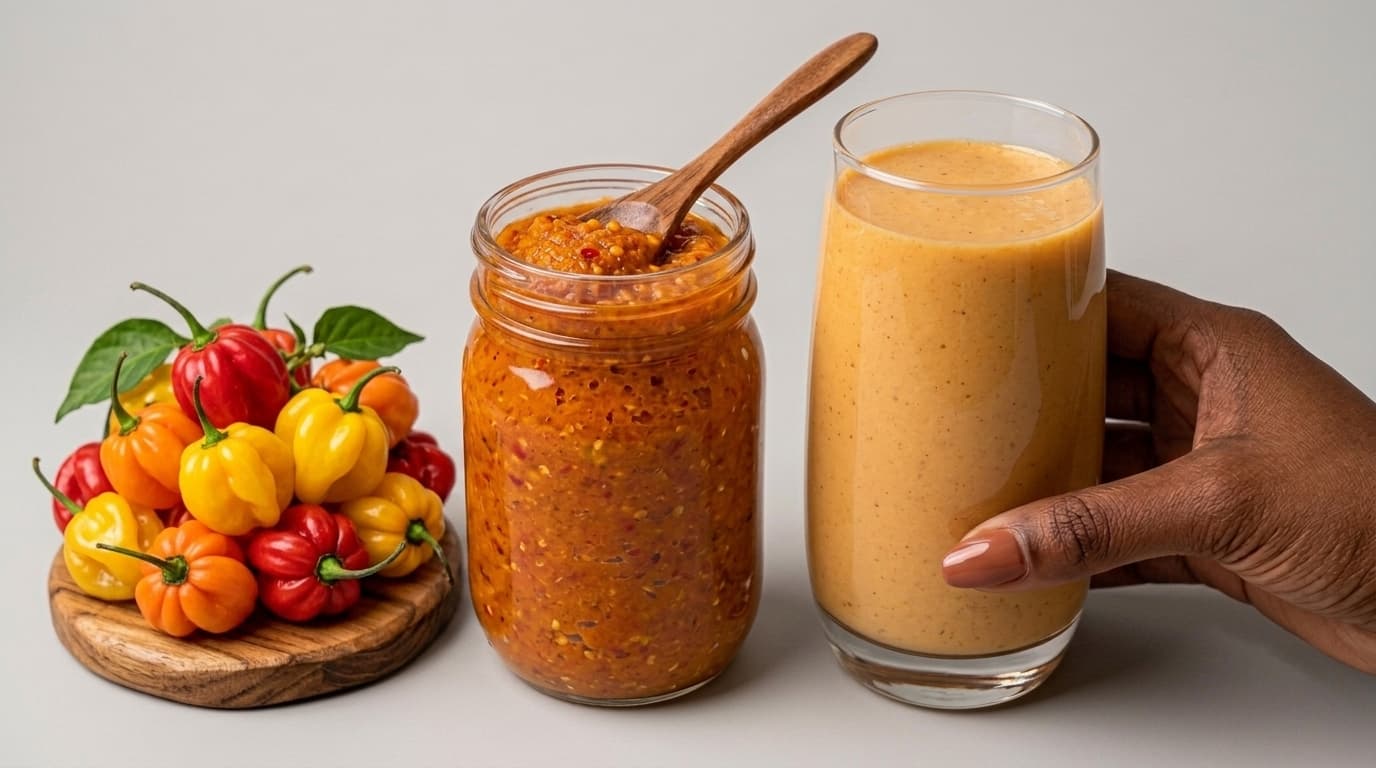
The scotch bonnet is a small chilli pepper, usually around the size of a golf ball, with a crumpled, rounded shape that looks a little like a traditional tam or bonnet, which is where the name comes from. You will find them sold green when unripe and in bright shades of red, orange and yellow once ripe. All are edible, and the colour is more about ripeness and preference than a reliable guide to heat.
What sets the scotch bonnet apart from an ordinary chilli is not just how hot it is, but how it tastes underneath that heat. It carries a sweet, almost tropical fruitiness, with notes some people compare to apricot, mango or tomato. That combination of fire and fruit is exactly why cooks across the Caribbean and West Africa reach for it so often. It is a foundation flavour, not just a way to add spice.
How hot is a scotch bonnet?
Heat in chillies is commonly measured on the Scoville scale, and the scotch bonnet sits firmly in the hot category. To put it in everyday terms, it is many times hotter than a jalapeno and lands in roughly the same range as its close cousin, the habanero. During the years when the world's hottest chilli was tracked, the scotch bonnet family sat near the top of that early record era, though today it has been overtaken by purpose-bred super hot varieties. It is best to treat any given pepper as very hot and taste cautiously rather than rely on an exact figure, since heat varies from one pepper to the next.
The practical takeaway is simple: the scotch bonnet delivers a lasting, warming heat rather than a quick flash, and its intensity builds. If you are new to it, start with a small amount. You can always add more, but you cannot take it back out.
The heart of the dish
The scotch bonnet is woven into the everyday cooking of two great food traditions. In the Caribbean, it is inseparable from Jamaican cooking in particular. It is the chilli behind jerk seasoning, giving that smoky, spiced marinade its heat, and it flavours everything from brown stew chicken to escovitch fish and countless pepper sauces kept on the table for anyone who wants an extra kick. If you are exploring Jamaican food or wider Caribbean food, the scotch bonnet is one of the first ingredients you will meet.
Across West Africa, the same pepper does similar work under different names. It brings heat and depth to Nigerian stews, jollof rice, pepper soup and the blended pepper mixes that form the base of so many dishes. Anyone cooking Nigerian food at home will know the familiar sight of scotch bonnets going into the blender alongside tomatoes, onions and other peppers. In both regions, this is not a novelty ingredient. It is a cupboard staple, as ordinary and essential as onions or garlic.
A gentle note on cooking: the scotch bonnet behaves differently depending on how you use it. Left whole and simmered in a pot, then lifted out before serving, it perfumes a stew with fruity aroma and only mild heat. Chopped or blended in, it releases its full fire. Many traditional dishes rely on that whole-pepper trick to season a pot for a family, so everyone gets flavour and those who want more heat can burst the pepper on their own plate.
How to handle a scotch bonnet pepper safely
The compound that makes chillies hot lingers on skin and can sting for hours, so a little care goes a long way. Wash your hands thoroughly with soap and water after handling scotch bonnets, and be especially careful not to touch your eyes, nose or lips before you have. Many cooks wear thin gloves when chopping a batch, and it is a sensible habit if you have sensitive skin or are preparing a lot at once.
Most of the heat in a scotch bonnet lives in the seeds and the pale membrane, or pith, inside. If you want the pepper's flavour with less fire, cut it open and scrape those away before cooking. Working on a board you can wash easily, rather than a wooden one that holds oils, also helps. And if your hands or mouth do catch the burn, reach for something dairy such as milk or yoghurt rather than water, as it does more to calm the heat.
Scotch bonnet substitutes
If a recipe calls for scotch bonnet and you cannot find one, the best substitute is the habanero. It shares a very similar heat level and the same fruity character, so it slips into most dishes with little change to the final result. Use it in the same quantity and adjust to taste.
If you need something milder, a red chilli or a moderate fresh chilli will give you colour and some heat, though you will lose the distinctive fruitiness that makes the scotch bonnet special. In a pinch, a scotch bonnet pepper sauce or a scotch bonnet paste can stand in for the fresh pepper, which is handy to keep in the cupboard for when fresh ones are hard to come by.
Where to buy scotch bonnets in the UK
Fresh scotch bonnets are widely available across the UK, and you no longer need to hunt for them. Many larger supermarkets stock them in the chilli section, often near the world foods aisle. For the freshest peppers, the best value and the widest choice of colours, an African or Caribbean grocer is usually the place to go, and market stalls in areas with strong Caribbean and West African communities almost always carry them.
If you are not sure where your nearest shop is, you can find African and Caribbean food stores in London and beyond through African Stores, which helps people across the UK find the shops, markets and grocers that stock ingredients like this. Buying from a specialist grocer also means you are more likely to find related staples in one trip, from scotch bonnet sauces to the seasonings you need for a full jerk chicken recipe.
When you buy, look for firm, glossy peppers with taut skin and no soft spots. Fresh scotch bonnets keep for a week or more in the fridge, and they freeze well too, so it is worth buying a few extra and freezing them whole to have heat on hand whenever you cook.
Frequently asked questions
Is a scotch bonnet the same as a habanero?
They are very close relatives and sit at a similar heat level, but they are not identical. The scotch bonnet tends to have a slightly sweeter, more rounded fruitiness and its classic bonnet shape, while the habanero is often a little more pointed. In cooking, one substitutes for the other very comfortably.
How do I make a dish less spicy if I have used scotch bonnet?
Remove the seeds and the white membrane before cooking, as that is where most of the heat sits. You can also add the pepper whole and lift it out before serving so it perfumes the dish without releasing all its fire. If a finished dish is too hot, stretching it with more tomato, coconut milk or stock helps mellow it.
Can I freeze scotch bonnets?
Yes, they freeze very well. Pop them whole into a freezer bag and use them straight from frozen. It is a great way to keep heat on hand, especially if you have bought a batch from a grocer and cannot use them all at once.
What can I use instead of a scotch bonnet?
A habanero is the closest match for both heat and flavour. If you want something milder, a regular red chilli will add heat and colour, though not the same fruity note. A jar of scotch bonnet sauce or paste also works as a cupboard standby.
Where can I buy fresh scotch bonnets in the UK?
Many supermarkets stock them, but African and Caribbean grocers and market stalls usually have the freshest and best value peppers in a range of colours. You can find your nearest specialist shops through African Stores.