The short answer
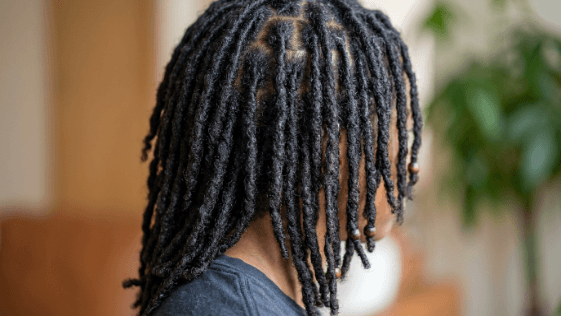
Locs, also called dreadlocks, are sections of hair that have been encouraged to coil, knot and bind together into rope-like strands over time. They can be started in several ways, including comb coils, two-strand twists, interlocking and the freeform method, and they move through starter, budding and mature stages as they set. Care involves gentle washing, moisture, careful retwisting of the roots and avoiding product build-up. Many people start and maintain their locs with a skilled loctician at a natural hair salon.
What to remember
- Locs are formed hair, not just a style you put in overnight, so the early months are about patience while the hair settles.
- The main starting methods are comb coils, two-strand twists, interlocking and freeform, and the right one depends on your hair type and how much upkeep you want.
- Every set of locs passes through starter, budding and mature stages, and each stage looks and behaves a little differently.
- Clean, moisturised hair actually locs better, so washing is your friend, not your enemy.
- A skilled loctician near you takes the guesswork out of starting and maintaining locs and protects your hairline from over-tight retwisting.
Locs carry meaning far beyond hair. Across the African continent they appear in many cultures and go back centuries, worn by holy men, warriors and everyday people alike, often signalling spiritual devotion, wisdom or a stage of life. In parts of East Africa, locs have long been associated with strength and with those set apart for a sacred purpose.
For many, locs are inseparable from Rastafari, the movement born in Jamaica in the twentieth century. Within Rastafari, uncut locs express a covenant with the divine and a refusal to conform to imposed standards of appearance, drawing on the biblical Nazarite vow to leave the hair uncut. The loc becomes an outward sign of an inward faith and of pride in African identity at a time when that identity was so often denied.
That heritage is why, for a great many people of African and Caribbean descent, choosing to loc is not only a matter of style. It can be a homecoming, a way of wearing your history and your roots plainly and without apology. Understanding that weight is part of what separates a thoughtful loctician from someone who simply twists hair, and it is part of why the tradition endures across generations.
What are Locs?
Locs, widely known as dreadlocks, are strands of hair that have been allowed to coil, tangle and bind together over time until each section holds as a single rope-like unit. Unlike braids or twists, which you can take down and comb out, locs are meant to be permanent.
Once hair has truly locked, the strands are matted together and the usual way to remove them is to cut them off. That permanence is part of what makes starting locs a considered decision rather than a passing style change.
Almost any hair texture can loc, though tightly coiled Afro-textured hair tends to loc most readily because the natural curl pattern helps the hair knot and hold. Looser textures can still look beautiful, they simply take longer and often need more deliberate maintenance in the early stages.
The Main Ways to Start Locs
There is no single correct way to begin. The method you choose shapes how your locs look for the first several months and how much upkeep they need.
- Comb coils. A fine comb is used to twist small sections of hair into tight coils. This is a common starting point for shorter hair and gives neat, uniform locs. The coils can unravel easily at first, so the early weeks call for gentle handling.
- Two-strand twists. Two sections of hair are twisted around each other. These give a slightly thicker, more textured loc and tend to hold better than coils in the early stages, which makes them a popular choice.
- Interlocking. A tool or the fingers are used to weave the end of the loc back through its own root, creating a knot that holds firmly from day one. Interlocked locs are secure and can be washed straight away, but the technique needs a careful hand, as interlocking too tightly or too often can stress the hair.
- Freeform. The hair is left to lock naturally with minimal manipulation, so the locs form organically in their own shapes and sizes. This method honours the most traditional approach to locs, though it offers the least control over the final look.
A skilled loctician will look at your length, texture and density and talk you through which method suits your goals. If you are weighing up your options, it is worth booking a consultation before committing.
Stages Locs go Through
Locs are not static. They mature over months and years, and knowing the stages helps you set realistic expectations.
- Starter stage. This is the beginning, whichever method you used. The locs are still essentially the twists or coils you started with, they can unravel, and the ends are often open. This stage can last a few months.
- Budding stage. The hair inside each section begins to knot and matt, and you may notice the locs puffing up or looking frizzy. This frizz is a good sign, it means the hair is actually locking. Locs can feel less neat here, which tests some people's patience, but it is a normal and necessary phase.
- Mature stage. The locs have tightened and settled and now hang with weight. The ends usually close over, the strands feel firm, and the locs behave predictably. Reaching this stage typically takes a year or more, depending on your hair and your care routine.
How to Care for your Locs
- Washing: Clean hair locs better than dirty hair, so washing regularly is important. Use a residue-free shampoo that rinses clean rather than a heavy, creamy one that can leave build-up trapped inside the loc. Make sure the locs dry fully, as damp locs held for too long can develop a musty smell or mildew at the core.
- Moisture: Locs can run dry, so light moisture matters. Water and a small amount of a natural oil or a light spritz keep the hair supple. Go easy, as too much product is worse than too little.
- Retwisting: As new hair grows, the roots need retwisting or interlocking to keep the locs tidy. How often depends on your hair and your style preference. The single most important rule here is to avoid over-tight retwisting. Pulling the roots too tight, too frequently, is a leading cause of thinning locs and a receding hairline, a form of traction damage. If your scalp feels sore or tight after a session, that is a warning sign.
- Avoiding build-up: Heavy waxes and greasy products may look neat on day one, but they collect inside the loc, stop it drying properly and are very hard to wash out. Keeping products simple protects your locs in the long run.
Styling your Locs
Mature locs are versatile. You can wear them loose, gather them into a bun or a high pineapple, pull them into a ponytail, or set them in updos for special occasions.
Curls can be added by setting damp locs on rods or pipe cleaners. Colour is possible too, though it is worth discussing with a professional first, as lightening can weaken the hair. Barrel twists, basket weaves and pinned styles all become options once the locs are strong enough to hold them. In short, locs are far from limiting once they mature.
What to Expect from a LOCS Appointment
If you are starting locs, a first appointment usually begins with a consultation. The loctician will assess your hair, agree on loc size and the starting method, and explain the upkeep involved.
Starting a full head takes time, sometimes several hours, especially for smaller, more numerous locs. Maintenance appointments are shorter and focus on washing, retwisting or interlocking the roots and neatening the overall shape.
Prices vary a great deal by salon, location, locs size and hair length, so ask for a clear quote when you book rather than assuming. A good loctician will happily explain what is included.
Finding the right person matters. A skilled loctician protects your hairline, chooses techniques that suit your hair and helps your locs mature well. You can find [African hair salons near you](/african-hair-salons-near-me) and [barbers near you](/african-barbers-near-me) who specialise in loc starting and maintenance and pick up shampoo, oils and other loc care essentials from [beauty supply shops near you](/beauty-supply-near-me).
Frequently asked questions
Are locs and dreadlocks the same thing?
Yes. They are two names for the same thing. Many people prefer the word locs, and both refer to hair that has been allowed to knot and bind into rope-like strands.
Do I have to stop washing my hair to grow locs?
No, and please do not. Clean hair actually locs better than dirty hair. Use a shampoo that rinses clean without leaving residue, and always let your locs dry fully so nothing sours inside them.
Will locs damage my hair?
Not if they are cared for gently. The most common cause of damage is retwisting the roots too tightly or too often, which pulls on the hairline. Keep the tension light, and see a skilled loctician if your scalp ever feels sore.
How long does it take for locs to mature?
It usually takes a year or more, though it varies with your hair type, your starting method and your care routine. The frizzy budding stage in the middle is normal and means your hair is doing exactly what it should.
Can I take locs out, or do I have to cut them?
Mature locs are meant to be permanent, and the usual way to remove them is to cut them off. Very new starter locs can sometimes be unravelled, but the longer they have set, the harder that becomes.