The short answer
The hibiscus drink is made by steeping dried hibiscus (roselle) flowers in water, which turns the liquid a deep red and gives it a sharp, tart, cranberry-like taste. It goes by many names: zobo in Nigeria, bissap in Senegal and much of West Africa, sorrel in the Caribbean, and hibiscus tea or agua de Jamaica more widely. It is usually sweetened and flavoured with ginger, cloves, pineapple or citrus, and can be served hot or cold. Dried hibiscus and the spices to make it are sold at African and Caribbean food shops across the UK.
What to remember
- One drink, many names: zobo, bissap, sorrel, hibiscus tea and agua de Jamaica are all made from the same dried roselle flowers.
- The taste is boldly tart and fruity, close to cranberry, which is why almost everyone sweetens it and warms it up with ginger and spice.
- Sorrel is tied to Christmas in the Caribbean, while zobo and bissap are poured at parties, weddings and everyday gatherings across West Africa.
- It is lovely both ways: served hot like a tea in cooler weather, or chilled over ice as a refreshing cooler.
- Everything you need, the dried flowers plus ginger, cloves and citrus, is easy to find at African and Caribbean shops in the UK.
For a lot of people, this drink is memory in a glass. The deep red of sorrel at Christmas, the smell of ginger and cloves steeping on the stove, the cooler of zobo passed around at a naming ceremony or a wedding. It is the drink that says a celebration is happening, the one made in enough quantity that no guest goes without. Across West Africa and the Caribbean it carries the same message in different accents: you are welcome here, sit down, have some.
Part of what makes hibiscus special is how it stitches communities together. A Nigerian family and a Jamaican family might call it by completely different names and flavour it slightly differently, yet set their jugs side by side and it is unmistakably the same drink, the same flower, the same generous spirit. Making it in a British kitchen, with flowers bought from a local African or Caribbean shop, is a way of keeping that thread unbroken, and of passing the taste on to children who will one day steep their own.
One Drink with Many Names
Pour a glass of it anywhere from Lagos to Dakar to Kingston and you will get the same deep ruby colour, but the name changes with the map. In Nigeria it is zobo, a fixture at parties and roadside stalls. In Senegal, Mali and across much of West Africa it is bissap, sometimes called the national drink of Senegal. In the Caribbean it is sorrel, poured most of all at Christmas. Further afield people simply call it hibiscus tea, and in Mexico and parts of Latin America it is agua de Jamaica. Different kitchens, different spellings, one flower at the heart of it all.
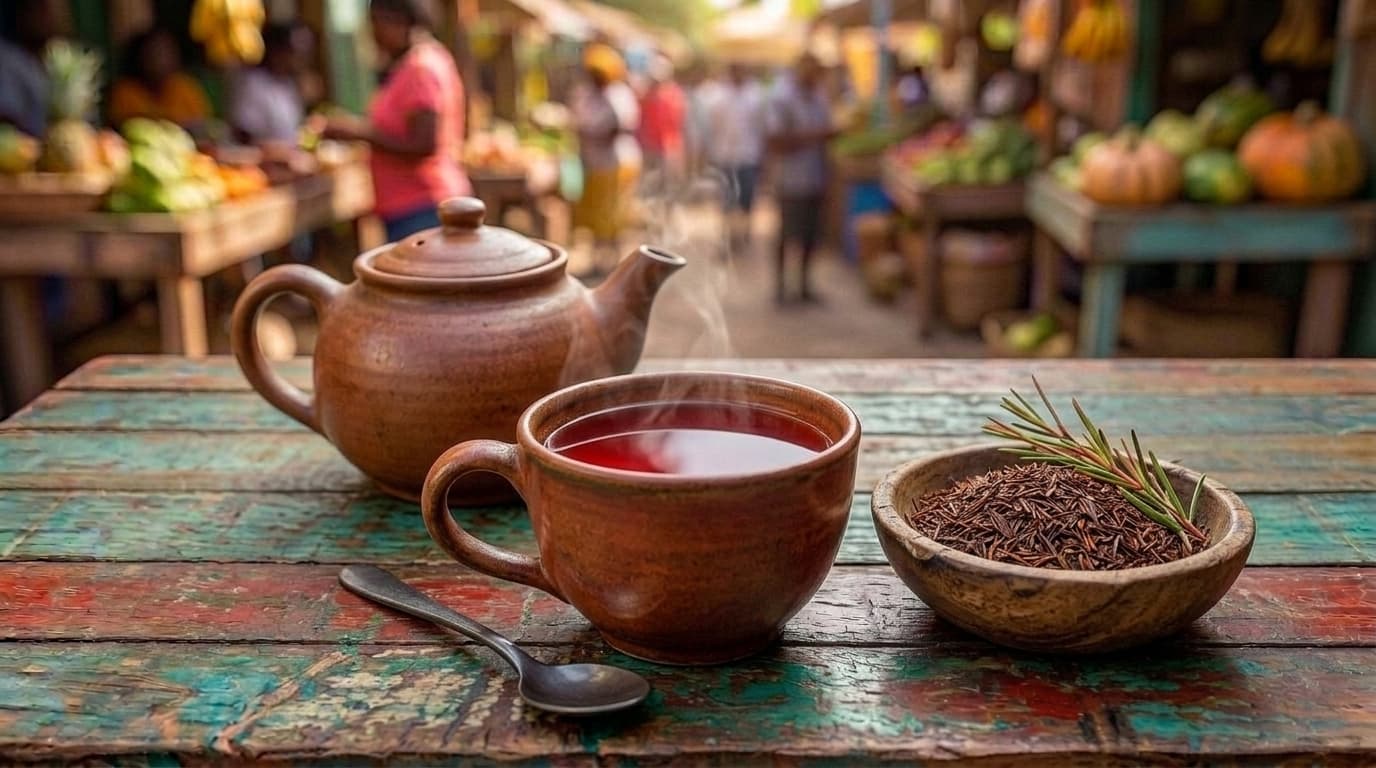
That flower is roselle, a species of hibiscus grown for its fleshy red calyces, the part left behind after the bloom fades. Those calyces are dried and it is the dried petals, not a teabag of leaves, that give the drink its colour and its punch. If you have read our guide to Nigerian food or explored Caribbean food, you have already met a version of this drink without perhaps realising it was the very same thing.
What Zobo tastes like
The first sip is a surprise if you are expecting something soft. Hibiscus is properly tart, sharp and clean, with a fruitiness most people compare to cranberry or sour cherry. On its own, unsweetened, it can make you pucker. That tartness is exactly the point: it is why the drink is so refreshing, and why it stands up so well to sweetening and spicing. Add sugar or honey and the sourness settles into something bright and moreish rather than sharp.
How Zobo is made
Making it is simple, which is part of why it travels so well. Dried hibiscus flowers are rinsed, then steeped or gently simmered in water until the liquid runs a rich red. The flowers are strained out, the liquid is sweetened to taste, and it is left to cool or served warm. From that plain base every cook builds their own version.
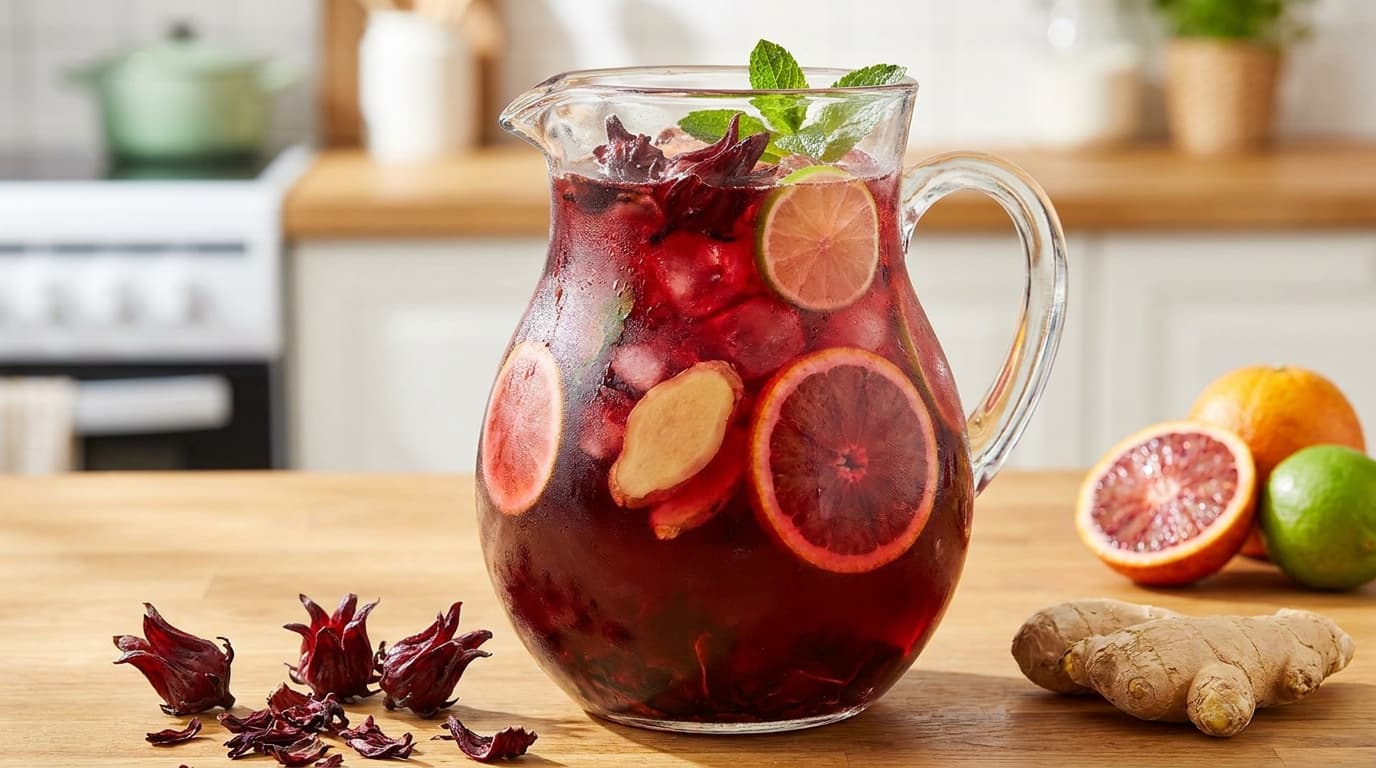
The flavourings are where the personality comes in. Fresh ginger is almost universal, adding warmth and a little heat. Cloves are classic in Caribbean sorrel, often alongside a stick of cinnamon and a strip of orange or lime peel. West African zobo and bissap frequently lean fruity, blended with pineapple, pineapple skins, or a splash of orange and lemon. Some add a few mint leaves; some in Senegal stir in a little vanilla. There is no single correct recipe, only the one your family makes.
A Drink for Celebration
This is a drink that shows up when people gather. In the Caribbean, sorrel is inseparable from Christmas. The dried flowers appear in the shops as the season turns, houses fill with the smell of it steeping with ginger and cloves, and a jug of chilled sorrel on the table is as much a part of the holiday as the food. Some households add a measure of rum for the grown-ups. If you are reading about Caribbean Carnival food, sorrel belongs in that same festive world of colour, spice and generosity.
In Nigeria and across West Africa, zobo and bissap play a similar role at weddings, naming ceremonies, parties and Sunday gatherings, poured from big coolers and handed round in cups. It is affordable, easy to make in large batches, and welcoming, the kind of drink you make so there is plenty for everyone who walks through the door.
Why People Like it
Beyond the taste, hibiscus has a long-held reputation as a good, wholesome drink. It is a source of vitamin C and of the plant antioxidants that give red and purple foods their colour, and across many hot countries it is traditionally drunk cold to cool down on a warm day. People reach for it because it is refreshing, naturally striking in colour, and easy to make without much sugar if you prefer it tarter.
It is worth being straightforward here: this is general information about a traditional drink, not medical advice. Hibiscus is a food and drink enjoyed for its flavour and its place in celebration, and if you have any health questions or take medication it is always best to check with a pharmacist or your GP. The honest reason most people love it is simpler than any health claim: it tastes wonderful and it reminds them of home.
How Zobo is enjoyed
One of the quiet joys of hibiscus is how well it works both ways. In warm weather, or at a summer party, it is served ice cold, poured over plenty of ice and sometimes topped with fresh fruit. In cooler months it makes a warming cup, steeped hot like a spiced tea with extra ginger and a little more clove and cinnamon. The same jar of dried flowers carries you through the whole year.
Where to buy Zobo in the UK
The good news for anyone in Britain is that dried hibiscus is easy to find. African and Caribbean food shops stock the dried flowers, usually labelled as hibiscus, zobo leaves, sorrel or bissap depending on the shop, often in generous bags because people buy it to make big batches. The same shops carry everything else you need in one trip: fresh root ginger, whole cloves, cinnamon sticks, and often tinned or fresh pineapple.
You can find shops that stock it near you through our pages for African and Caribbean food stores in London and African and Caribbean food stores in Birmingham, and in towns and cities across the UK. Around Christmas especially, look out for dried sorrel appearing at the front of Caribbean shops, and ask the shopkeeper if you cannot spot it, as many keep it behind the counter when demand is high.
Frequently asked questions
What is the hibiscus drink actually made from?
Dried hibiscus flowers, specifically the roselle variety. It is the dried red calyces, the part left after the flower fades, that are steeped in water to make the drink. It is not the same as an ordinary leaf tea.
Are zobo, sorrel and bissap the same thing?
Yes, at heart. They are all made from the same dried hibiscus flowers. Zobo is the Nigerian name, bissap is used in Senegal and much of West Africa, and sorrel is the Caribbean name. The main differences are in how each is spiced and sweetened.
What does it taste like?
Tart and fruity, a lot like cranberry or sour cherry. On its own it is quite sharp, which is why most people sweeten it and add ginger, cloves or citrus to round it out.
Is hibiscus good for you?
It is a source of vitamin C and plant antioxidants, and it is traditionally drunk cold to cool down. That said, this is general information and not medical advice, so if you have health questions or take medication, do check with a pharmacist or your GP.
Where can I buy dried hibiscus in the UK?
At African and Caribbean food shops, where it may be labelled hibiscus, zobo, sorrel or bissap. The same shops sell the ginger, cloves and cinnamon you need to flavour it. You can find shops near you through our store pages for cities across the UK.